Handsome,Man,Running,In,Park,With,Earphones

Men’s Vitality and Hormone SupportA Practical Guide to Energy, Hormonal Balance, and Male Fertility


Introduction

Maintaining optimal health is not just about reacting to problems. It is about supporting the body’s natural systems every day.

For men, this includes:

  • Hormonal balance
  • Energy production
  • Reproductive health

In today’s fast paced world, stress, diet, and lifestyle factors can all impact these systems. With the right approach, men can take meaningful steps to support vitality and overall wellness.


Understanding Male Hormones

Testosterone is the primary hormone associated with male health.

It plays a role in:

  • Energy levels
  • Muscle maintenance
  • Mood and motivation
  • Reproductive function

Natural levels can fluctuate due to:

  • Age
  • Stress
  • Sleep quality
  • Nutritional intake

Supporting hormone balance starts with strong foundational habits, not quick fixes.


Nutrition for Men’s Vitality

A nutrient rich diet is essential for maintaining hormonal balance and supporting fertility.

Key nutrients to focus on:

Zinc rich foods:

  • Pumpkin seeds
  • Red meat
  • Chickpeas

Healthy fats:

  • Olive oil
  • Avocados
  • Nuts

Antioxidant rich foods:

  • Berries
  • Leafy greens
  • Carrots

Protein sources:

  • Eggs
  • Fish
  • Grass fed beef

These nutrients support normal biological processes, including hormone production and cellular function.


Foods That Support Male Fertility

Male fertility is influenced by sperm quality, motility, and overall reproductive health.

Helpful dietary choices:

  • Omega 3 rich foods such as salmon or flaxseed
  • Fruits and vegetables high in antioxidants
  • Whole grains for steady energy
  • Proper hydration

Limit:

  • Excess sugar
  • Highly processed foods
  • Trans fats

Lifestyle Habits That Matter

Even the best supplements will not be effective without the right lifestyle foundation.

Sleep:

  • Aim for 7 to 8 hours per night
  • Poor sleep is linked to lower testosterone levels

Stress management:

  • Chronic stress can impact hormone balance
  • Consider exercise, mindfulness, or time outdoors

Physical activity:

  • Regular strength training supports overall wellness
  • Avoid overtraining

Weight balance:

  • Maintaining a healthy weight supports hormonal health

Supplements That Support Men’s Health

Supplements can help fill nutritional gaps and support normal body functions when used appropriately.

Commonly used nutrients:

  • Vitamin D
    • Supports overall health and immune function
    • Plays a role in hormonal balance
  • Zinc
    • Essential mineral involved in many biological processes
  • Ashwagandha
    • An adaptogenic herb traditionally used to support stress response
  • CoQ10
    • Supports cellular energy production
  • Omega 3 fatty acids
    • Support heart and cellular health

Setting Realistic Expectations

It is important to understand:

  • Supplements support normal function and are not medications
  • Results take time and consistency
  • Each person’s body responds differently

Choosing Quality Supplements

When selecting supplements, look for:

  • Transparent labeling
  • High quality sourcing
  • Trusted certifications such as kosher certification when applicable
  • Reputable brands

Final Thoughts

Men’s vitality is not about quick fixes. It is about consistent, daily support through nutrition, lifestyle, and smart supplementation.

Focus on:

  • Strong nutrition
  • Healthy lifestyle habits
  • Targeted supplementation

These support:

  • Energy and overall wellness
  • Hormonal balance
  • Reproductive health

Disclaimer

These statements have not been evaluated by the Food and Drug Administration.
This article is for informational purposes only and is not intended to diagnose, treat, cure, or prevent any disease.
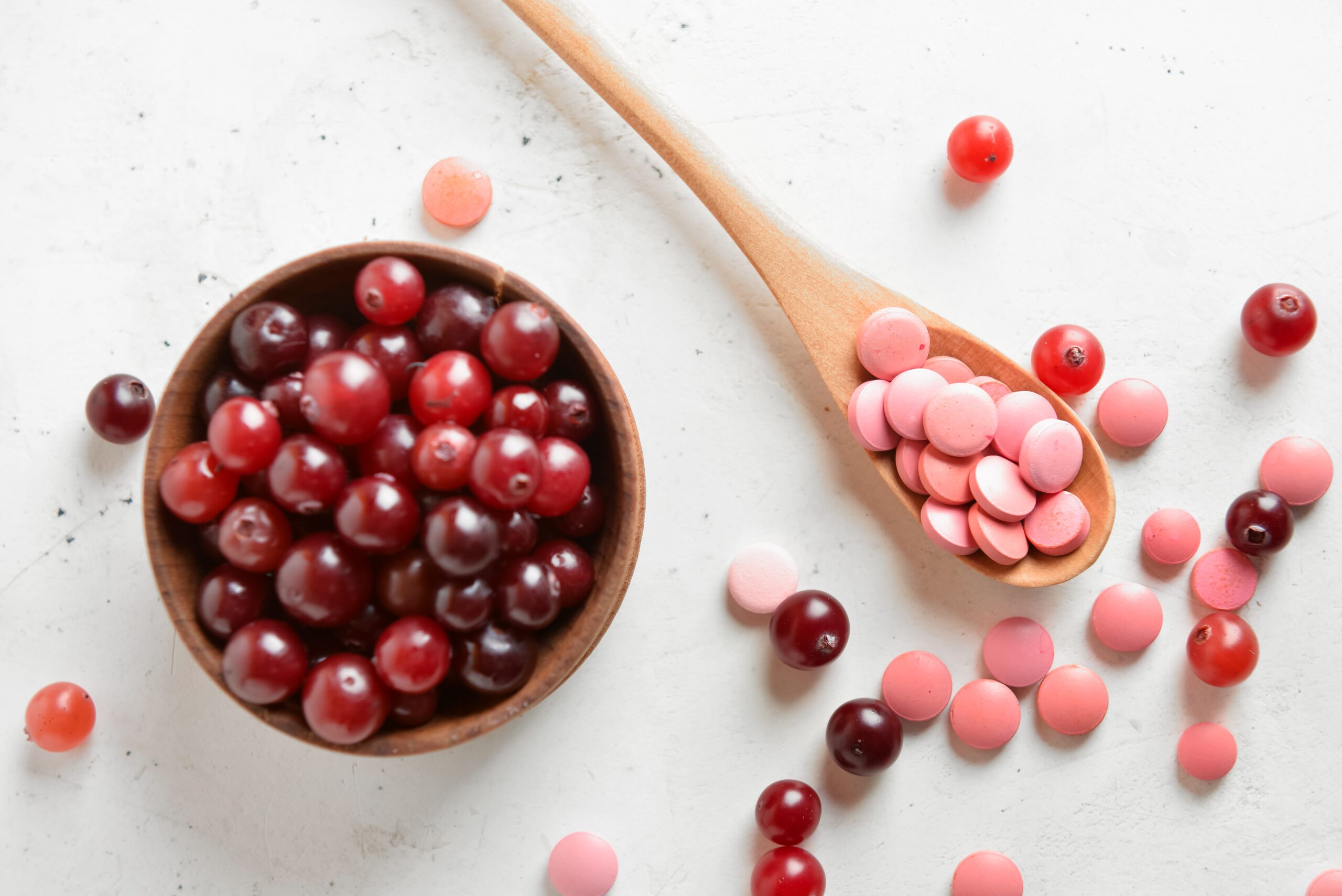
Spoon,With,Healthy,Cranberry,Pills,And,Berries,On,Light,Background,

Urinary Tract Health: UTI Prevention, Causes, and Supplements That May Help Support Men and Women

Urinary tract infections (UTIs) are among the most common bacterial infections affecting adults. While women experience UTIs more frequently, men can also develop urinary tract infections, particularly later in life or when underlying urinary issues are present.

Antibiotics remain the standard treatment for active UTIs, but many people are interested in nutritional and lifestyle strategies that may help support urinary tract health and reduce the risk of recurrence. This article explains what UTIs are, who is at risk, and which dietary supplements may support urinary tract and immune health, based on current scientific evidence.


What Is a Urinary Tract Infection?

A urinary tract infection occurs when bacteria enter and multiply within the urinary system, which includes the urethra, bladder, ureters, and kidneys. The most common cause is Escherichia coli (E. coli)—a bacterium normally found in the digestive tract that can cause infection if it reaches the urinary tract.

Common symptoms may include:

  • Burning or discomfort during urination
  • Frequent or urgent urination
  • Cloudy or strong-smelling urine
  • Pelvic discomfort in women
  • Lower abdominal or rectal discomfort in men

Symptoms such as fever, chills, back or flank pain, nausea, or blood in the urine may indicate a more serious infection and require immediate medical care.


Who Is at Risk for UTIs?

Several factors can increase the likelihood of developing a urinary tract infection.

Women

Women are at higher risk due to anatomy and may experience UTIs more frequently, particularly:

  • After menopause
  • With recurrent infections
  • Following sexual activity

Men

UTIs are less common in men, but when they occur, they often require closer medical evaluation. Risk factors include:

  • Enlarged prostate (BPH)
  • Incomplete bladder emptying
  • Diabetes
  • Urinary catheters
  • Kidney stones or structural urinary issues

Any urinary symptoms in men should be evaluated by a healthcare professional.


Supplements That May Help Support Urinary Tract Health

Dietary supplements cannot treat or cure a UTI, but some may help support urinary tract health and reduce recurrence risk when used as part of a preventive wellness approach.

Cranberry Supplements

Cranberry is the most studied supplement for urinary tract health.

Cranberries contain naturally occurring compounds called proanthocyanidins (PACs) that may help prevent certain bacteria from adhering to the lining of the urinary tract. When bacteria are less able to attach, infections may be less likely to develop.

  • The FDA permits a qualified health claim stating that daily consumption of cranberry dietary supplements may help reduce the risk of recurrent UTIs in healthy women, based on limited scientific evidence.
  • Cranberry supplements are intended for long-term urinary tract support, not treatment of active infections.

While research focuses primarily on women, the mechanism by which cranberry works applies to men as well.


Probiotics

The urinary tract is influenced by the balance of bacteria in the gut and urogenital microbiome.

Certain probiotic strains—especially Lactobacillus—may help:

  • Support a healthy microbial balance
  • Reduce colonization of harmful bacteria
  • Support gut health during or after antibiotic use

Research on probiotics and UTIs is mixed, but probiotics are commonly used as part of a broader immune and microbiome support strategy.


Vitamin D

Vitamin D plays an important role in normal immune system function, which helps the body respond to bacterial challenges.

  • Low vitamin D levels have been associated with increased susceptibility to infections
  • Supplementation supports immune health but does not prevent or treat UTIs directly

Vitamin D is best viewed as foundational immune support, not a targeted urinary supplement.


Supplements With Limited Evidence

D-Mannose

D-mannose is a naturally occurring sugar that may help support urinary tract health by reducing bacterial adhesion. Research results are mixed, and individual response varies. It is best used as part of a broader wellness routine, not as a treatment for infection.


What Supplements Cannot Do

No dietary supplement can:

  • Cure an active urinary tract infection
  • Replace antibiotics when they are medically necessary
  • Prevent serious complications such as kidney infection

Delaying medical care for UTI symptoms can lead to serious outcomes.


When to See a Doctor

Seek medical care promptly if you experience:

  • Fever or chills
  • Back or flank pain
  • Blood in the urine
  • Symptoms lasting longer than 48 hours
  • UTIs during pregnancy
  • Any urinary symptoms in men or children

Lifestyle Strategies That Support Urinary Tract Health

Supplements work best alongside healthy daily habits:

  • Adequate hydration
  • Regular urination (avoid holding urine)
  • Urinating after sexual activity
  • Proper hygiene
  • Supporting gut health with a balanced diet
  • Managing blood sugar levels

Key Takeaways

  • UTIs affect both women and men
  • Active infections require medical treatment
  • Cranberry supplements have the strongest evidence for recurrence reduction
  • Probiotics support microbiome and immune health
  • Vitamin D supports immune function
  • D-mannose and vitamin C have limited or inconsistent evidence
  • Supplements are supportive tools, not treatments

Medical Disclaimer

This content is for educational purposes only and is not intended to diagnose, treat, cure, or prevent any disease. Always consult a qualified healthcare professional regarding symptoms, medications, or supplement use.