![310590701_421166140142246_8338605735780738422_n [Converted]](https://koshervitaminsblog.com/wp-content/uploads/2023/05/310590701_421166140142246_8338605735780738422_n-Converted.png)
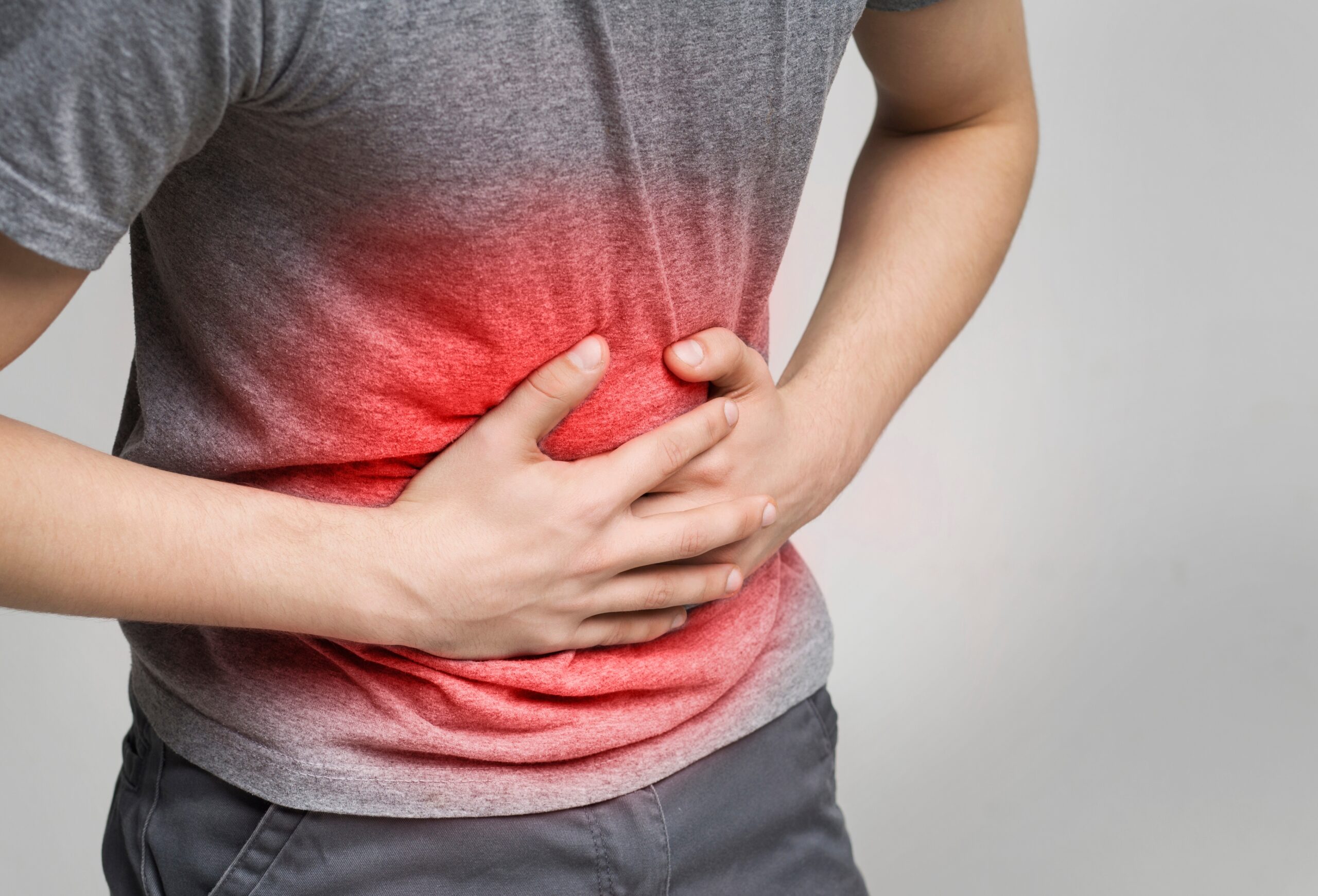
Digestive discomfort such as stomach pain, bloating, or nausea may sometimes be linked to H. pylori, a common bacterial infection that affects the stomach lining.
H. pylori is one of the most widespread infections worldwide and a leading cause of gastritis and stomach ulcers. With proper medical treatment and supportive digestive care, most people recover fully.
In this guide, we’ll cover:
• What H. pylori is
• Common symptoms
• Standard medical treatment
• Supplements that may support digestive recovery
What Is H. pylori?
H. pylori is a spiral-shaped bacterium that can survive in the stomach’s highly acidic environment by producing enzymes that help neutralize stomach acid.
It lives within the protective mucus layer of the stomach lining, where it may cause irritation and inflammation over time.
Long-term infection may lead to:
• Chronic gastritis
• Stomach ulcers
• Duodenal ulcers
• Ongoing digestive discomfort
It’s estimated that around half of the world’s population carries H. pylori, though many people never develop symptoms.
Common Symptoms
Symptoms of H. pylori may include:
• Burning or gnawing stomach pain
• Bloating after meals
• Nausea
• Frequent burping
• Feeling full quickly
• Acid reflux
• Loss of appetite
Doctors may diagnose H. pylori using tests such as:
• Breath test
• Stool test
• Blood test
• Endoscopy (in some cases)
Standard Medical Treatment
H. pylori is typically treated with a combination of medications known as quadruple therapy, which reduces stomach acid and eliminates the bacteria.
Proton Pump Inhibitors (PPIs)
These medications reduce stomach acid, allowing antibiotics to work more effectively.
Examples include:
• Omeprazole
• Pantoprazole
• Esomeprazole
• Lansoprazole
Antibiotics
Doctors usually prescribe two antibiotics to target the bacteria.
Common options include:
• Tetracycline
• Metronidazole
• Amoxicillin
• Clarithromycin
Bismuth Compounds
Bismuth helps protect the stomach lining and supports bacterial eradication.
Example:
• Bismuth subsalicylate
Treatment typically lasts 10–14 days, followed by testing to confirm that the infection has been cleared.
Why Digestive Support Matters
Antibiotics used to treat H. pylori can temporarily disrupt the balance of beneficial bacteria in the gut.
This may lead to:
• Bloating
• Digestive discomfort
• Fatigue
• Changes in bowel habits
Supporting digestive health during and after treatment can help restore gut balance and improve overall comfort.
Supplements That May Support Stomach Health
While supplements do not replace medical treatment, certain nutrients may help support digestive health and stomach lining recovery.
Probiotics
Probiotics are beneficial microorganisms that help maintain a healthy gut microbiome.
A commonly used probiotic during antibiotic therapy is:
• Saccharomyces boulardii
Potential benefits include:
• Supporting microbiome balance
• Promoting digestive comfort
• Aiding recovery after antibiotics
Mastic Gum
Mastic gum is a natural resin obtained from the Mediterranean mastic tree and has been traditionally used for digestive health.
It may support:
• Stomach comfort
• Gastric mucosal health
• Digestive balance
Some research suggests it may help maintain a healthy balance of stomach bacteria.
Zinc for Stomach Health
Zinc plays a key role in tissue repair and immune function.
Common forms include:
• Zinc gluconate
• Zinc picolinate
• Zinc bisglycinate
• Zinc carnosine
Zinc may support:
• Stomach lining repair
• Immune function
• Digestive recovery
Digestive Enzymes
Digestive enzymes help break down food and support nutrient absorption.
They assist in digesting:
• Proteins
• Fats
• Carbohydrates
• Fiber
These supplements may help reduce bloating and improve digestive comfort.
Additional Supportive Nutrients
L-Glutamine
Supports intestinal lining repair and gut barrier health
Vitamin C
Provides antioxidant support and supports immune function
Deglycyrrhizinated Licorice (DGL)
Helps support stomach comfort and protect the stomach lining
Diet Tips During Recovery
Foods that are typically easier on the stomach include:
• Oatmeal
• Bananas
• Soups
• Cooked vegetables
• Probiotic-rich foods such as yogurt
Foods to limit:
• Alcohol
• Spicy foods
• Fried foods
• Heavy meals late at night
Eating smaller, more frequent meals may also help reduce stomach irritation.
Final Thoughts
H. pylori is a common but treatable condition. With proper medical care and supportive digestive strategies, most people can recover and regain normal digestive comfort.
Incorporating probiotics, zinc, digestive enzymes, and a balanced diet may help support gut health and promote long-term stomach wellness.