![310590701_421166140142246_8338605735780738422_n [Converted]](https://koshervitaminsblog.com/wp-content/uploads/2023/05/310590701_421166140142246_8338605735780738422_n-Converted.png)
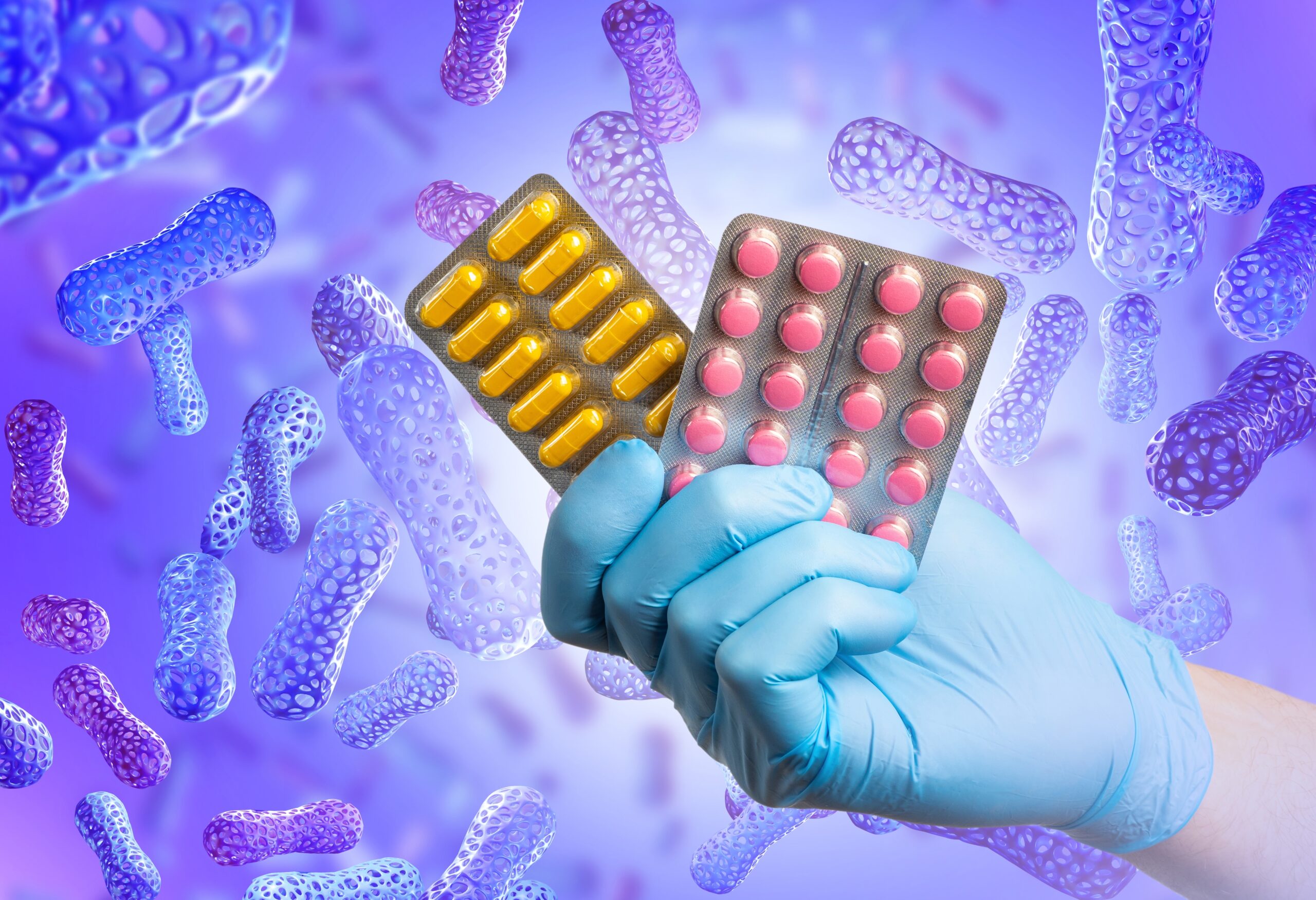
Antibiotics are an essential part of modern healthcare, but their effects can extend beyond the infection they are prescribed to address. Because antibiotics act broadly against bacteria, they may also influence the balance of microorganisms that naturally live in the digestive tract.
As interest in gut health continues to grow, many people are seeking practical, science-informed ways to support their digestive system during and after antibiotic use. This includes not only what to take, but when to take it.
Key Takeaways
- Antibiotics act broadly and may reduce beneficial gut bacteria
- Probiotics should not be taken at the exact same time as antibiotics
- Changes in the gut microbiome may persist after antibiotic use ends
- Beneficial bacteria require nourishment from fiber-rich foods
- Diet, movement, and daily habits all influence gut balance
Why the gut microbiome matters
The gut microbiome refers to the diverse community of microorganisms that inhabit the digestive tract. These microbes are involved in normal digestion, nutrient metabolism, immune signaling, and maintaining the intestinal barrier.
Researchers have also identified communication pathways between the gut and other systems in the body, sometimes referred to as the gut–brain axis. While research in this area is ongoing, maintaining a balanced and diverse gut microbiome is increasingly recognized as an important component of overall wellness.
How antibiotics may influence gut balance
Antibiotics are designed to suppress or eliminate bacteria that cause infections. However, they do not distinguish between unwanted bacteria and beneficial species that normally reside in the gut.
Research has shown that:
- Certain beneficial bacteria may decline significantly during antibiotic use
- Gut microbial diversity may take weeks or months to rebound
- Some bacterial populations may not fully return to prior levels
This does not mean antibiotics should be avoided when medically necessary. Instead, it highlights why timing and gut support are often discussed during recovery.
Why probiotics should not be taken at the same time as antibiotics
Probiotics are live microorganisms. Antibiotics are designed to kill or inhibit bacteria. When both are taken at the same time, the antibiotic may inactivate a portion of the probiotic organisms before they reach the intestines.
For this reason, many healthcare professionals recommend separating probiotic supplements from antibiotic doses.
Common guidance:
Probiotics are often taken 1–3 hours after an antibiotic dose rather than simultaneously.
This timing approach is intended to:
- Reduce direct exposure of probiotics to antibiotics
- Improve the likelihood that beneficial organisms survive digestion
- Support more effective gut balance during antibiotic use
Some probiotics are yeast-based rather than bacteria-based. Since antibiotics target bacteria and not yeast, these formulas are sometimes discussed differently in terms of timing.
Supporting gut balance after antibiotics: a holistic perspective
Rather than relying on rigid step-by-step programs, gut health support is best viewed as a combination of complementary practices that work together over time.
Microbial support
Probiotics commonly contain well-studied groups such as Lacticaseibacillus and Bifidobacterium, which are associated with digestive and microbial balance. Timing probiotics away from antibiotics is an important consideration for those using both.
Feeding beneficial bacteria
Beneficial microbes require nourishment. Prebiotic fibers — found in certain plant foods and fibers — pass through the digestive tract and are fermented by gut bacteria.
Without adequate fiber intake, beneficial bacteria may struggle to establish themselves, even when probiotics are used.
Diet and microbial diversity
Whole foods play a significant role in shaping the gut microbiome. Fiber-rich plant foods and traditionally fermented foods may help support microbial diversity when included regularly as part of a balanced diet.
Lifestyle factors
Moderate physical activity, sleep quality, hydration, and stress management are all commonly discussed in relation to gut health. Research suggests that lifestyle habits can influence microbial diversity and digestive comfort.
The bigger picture
Antibiotics remain a vital medical tool, but they may temporarily alter the gut environment. Supporting gut balance often involves thoughtful timing of supplements, fiber-rich nutrition, and consistent lifestyle habits rather than any single intervention.
FDA Disclaimer
The information provided is for educational purposes only and is not intended to diagnose, treat, cure, or prevent any disease. These statements have not been evaluated by the Food and Drug Administration. Always consult a qualified healthcare professional before making changes to your health routine.