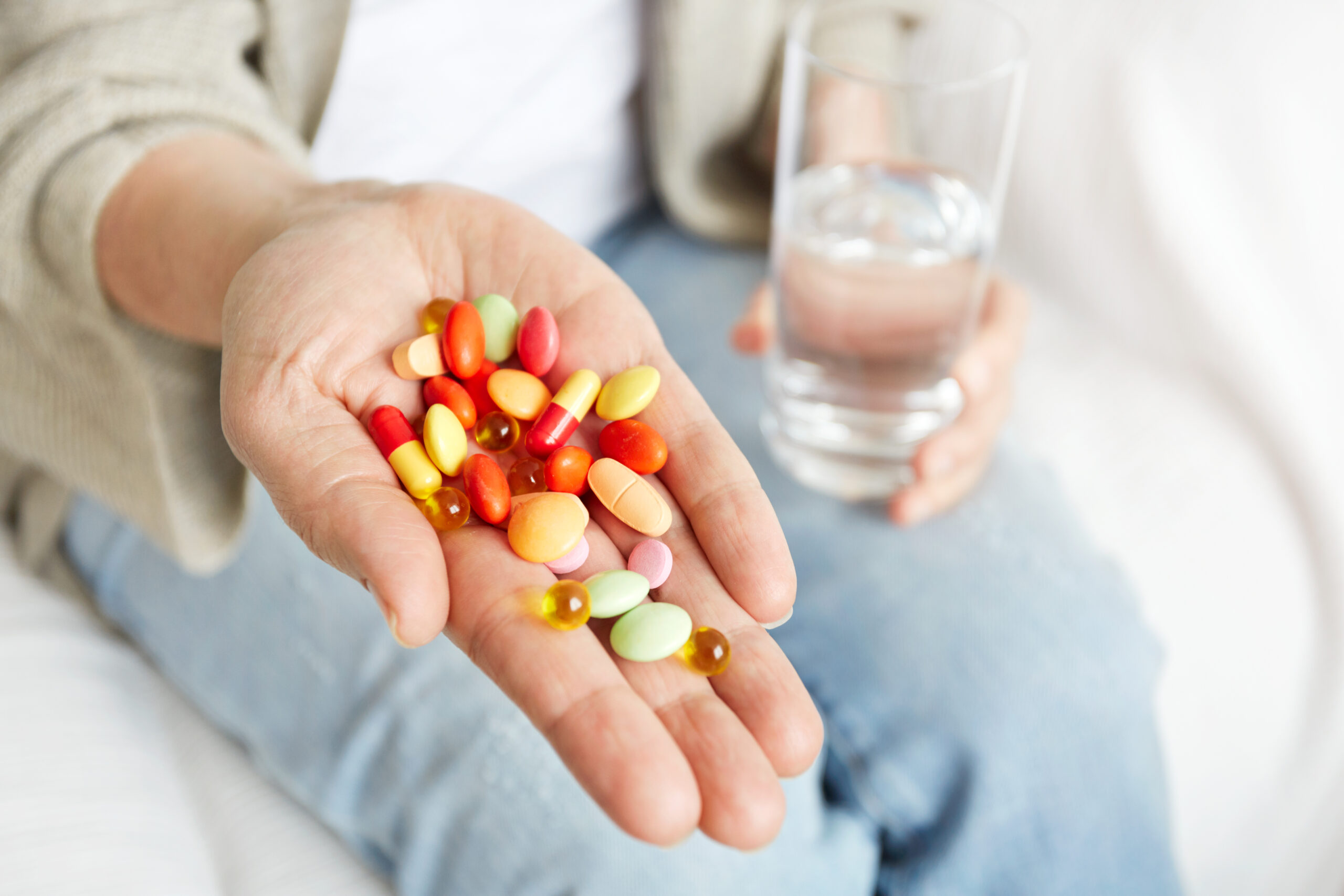
Pills, tablets, vitamins and drugs heap in mature hands, closeup view.

The Best Time to Take Vitamins & Supplements: Morning, Evening, Before a Workout, or After?

Many people invest in vitamins, minerals, protein powders, and sports supplements—but few know that when you take them can sometimes make a difference.

Some supplements absorb best with food. Others may fit better into your workout routine. Certain nutrients are commonly taken in the evening, while others are better earlier in the day.

The good news? For most supplements, consistency is more important than perfect timing. Taking the right supplement regularly is often the key to getting the intended nutritional support.

This guide explains the best times to take common vitamins, minerals, and workout supplements.


Why Timing Can Matter

The timing of supplements may help:

✔ Improve nutrient absorption

✔ Reduce stomach discomfort

✔ Support normal energy metabolism

✔ Complement workout routines

✔ Promote healthy sleep habits

✔ Reduce competition between certain nutrients


Best Supplements to Take in the Morning

Many supplements are commonly taken with breakfast because they support normal daily wellness and energy metabolism.

B-Complex Vitamins

B vitamins help the body convert food into energy and support nervous system function.

Best time: Breakfast or lunch

Why?

  • Often included in energy-support formulas
  • Convenient as part of a morning routine

Multivitamins

Most multivitamins contain a combination of vitamins and minerals, including B vitamins and fat-soluble vitamins.

Best time: With breakfast or lunch

Why?

  • Food may improve tolerance
  • Easier to remember consistently

Vitamin C

Vitamin C supports immune health and acts as an antioxidant.

Best time: Morning or afternoon

Why?

  • Can be taken with or without food
  • Larger amounts are sometimes divided throughout the day

Supplements Best Taken With Meals

Certain nutrients absorb best when taken with food.

Vitamin D

Vitamin D supports bone health, muscle function, and immune health.

Best time: With a meal containing healthy fats

Examples:

  • Eggs
  • Avocado
  • Olive oil
  • Nuts
  • Fish

FDA-Authorized Health Claim

Adequate calcium and vitamin D throughout life, as part of a well-balanced diet, may reduce the risk of osteoporosis.


Vitamins A, E & K

These fat-soluble vitamins require dietary fat for optimal absorption.

Best time: With meals


Omega-3 Fish Oil

Best time: With meals

Why?

  • Often easier on digestion
  • Fat-containing meals may support absorption

CoQ10

CoQ10 plays a role in cellular energy production.

Best time: With food containing fat


Supplements Around Your Workout

One of the most common questions is:

“Should I take supplements before or after my workout?”

The answer depends on the supplement.


Best Supplements BEFORE a Workout

These supplements are commonly used before exercise because they may support training performance, focus, or workout preparation.

Caffeine

Best time: 30–60 minutes before exercise

Often found in:

  • Pre-workout formulas
  • Energy supplements
  • Coffee and tea

Beta-Alanine

Beta-alanine is a popular sports nutrition ingredient.

Best time: Daily consistency matters more than exact timing

Many people take it:

  • 30–60 minutes before training
  • Or divided throughout the day

Citrulline Malate

Often included in pre-workout products.

Best time: About 30–60 minutes before exercise


Electrolytes

Electrolyte formulas help replenish minerals lost through sweat.

Best time:

  • Before exercise
  • During exercise
  • Especially during long workouts or hot weather

Pre-Workout Formulas

Most pre-workout products combine:

  • Caffeine
  • Citrulline
  • Beta-alanine
  • Electrolytes
  • Other performance-support ingredients

Best time: 20–45 minutes before exercise

Always follow product label directions.


Best Supplements AFTER a Workout

Post-workout nutrition focuses on recovery and replenishment.

Protein Powder

Protein provides amino acids used throughout the body.

Best time: Within a few hours after exercise

Popular options:

  • Whey protein
  • Plant protein
  • Egg protein
  • Collagen protein blends

Many people also use protein powders:

  • At breakfast
  • Between meals
  • To increase daily protein intake

Creatine Monohydrate

One of the most researched sports nutrition ingredients.

Best time: Any consistent time daily

Research suggests consistency is generally more important than exact timing.

Some athletes prefer:

  • After workouts
  • With meals
  • Mixed into protein shakes

Branched-Chain Amino Acids (BCAAs)

Often used:

  • During workouts
  • After workouts
  • Between meals

Glutamine

Often used as part of post-workout recovery routines.

Best time: After exercise or between meals


🦠 What About Probiotics?

Probiotics can generally be taken:

  • Before breakfast
  • With breakfast
  • Before bedtime

Consistency is usually more important than timing.

Always follow the manufacturer’s suggested use.


🌙 Best Supplements for Evening or Bedtime

Some supplements naturally fit into a nighttime wellness routine.

Magnesium

Magnesium supports muscle and nerve function.

Best time: Evening or before bed

Popular forms include:

  • Magnesium glycinate
  • Magnesium citrate
  • Magnesium malate

Melatonin

Melatonin helps regulate the body’s natural sleep-wake cycle.

Best time: 30–60 minutes before bedtime

Follow label instructions and consult your healthcare professional if taking medications.


Herbal Sleep Support

Popular bedtime herbs include:

Best time: About 30–60 minutes before bedtime


Supplements That May Compete for Absorption

Certain nutrients are often separated when taken in larger amounts.

Calcium & Iron

Often taken at different times of day.

Zinc & Iron

May compete for absorption.

Fiber Supplements

Can affect absorption of some nutrients and medications.

Consider taking fiber separately when appropriate.


Sample Supplement Schedule

Breakfast

✅ Multivitamin

✅ Vitamin D

✅ Vitamin C

✅ B-Complex

✅ Probiotic

✅ Fish Oil


30–45 Minutes Before Workout

✅ Pre-workout formula

✅ Electrolytes

✅ Beta-alanine

✅ Citrulline


After Workout

✅ Protein shake

✅ Creatine

✅ Amino acids (if desired)


Dinner

✅ Calcium (if used)

✅ CoQ10


Before Bed

✅ Magnesium

✅ Melatonin

✅ Sleep-support herbs


Common Supplement Timing Mistakes

❌ Taking Vitamin D without food

❌ Taking fish oil on an empty stomach

❌ Skipping hydration around workouts

❌ Taking competing minerals together

❌ Missing doses because of an overly complicated schedule

❌ Believing timing matters more than consistency


The Bottom Line

There is no universal “perfect” time to take every supplement.

A practical approach is:

Morning

  • Multivitamins
  • B Vitamins
  • Vitamin C
  • Vitamin D
  • Fish Oil

Before Exercise

  • Pre-workout formulas
  • Electrolytes
  • Caffeine
  • Citrulline
  • Beta-alanine

After Exercise

  • Protein powders
  • Creatine
  • Amino acids

Evening

  • Magnesium
  • Melatonin
  • Sleep-support herbs

The most important habit is consistency. A simple supplement routine that you follow daily is usually more beneficial than worrying about exact timing.


FDA Disclaimer

These statements have not been evaluated by the Food and Drug Administration. Products and supplements discussed in this article are not intended to diagnose, treat, cure, or prevent any disease.
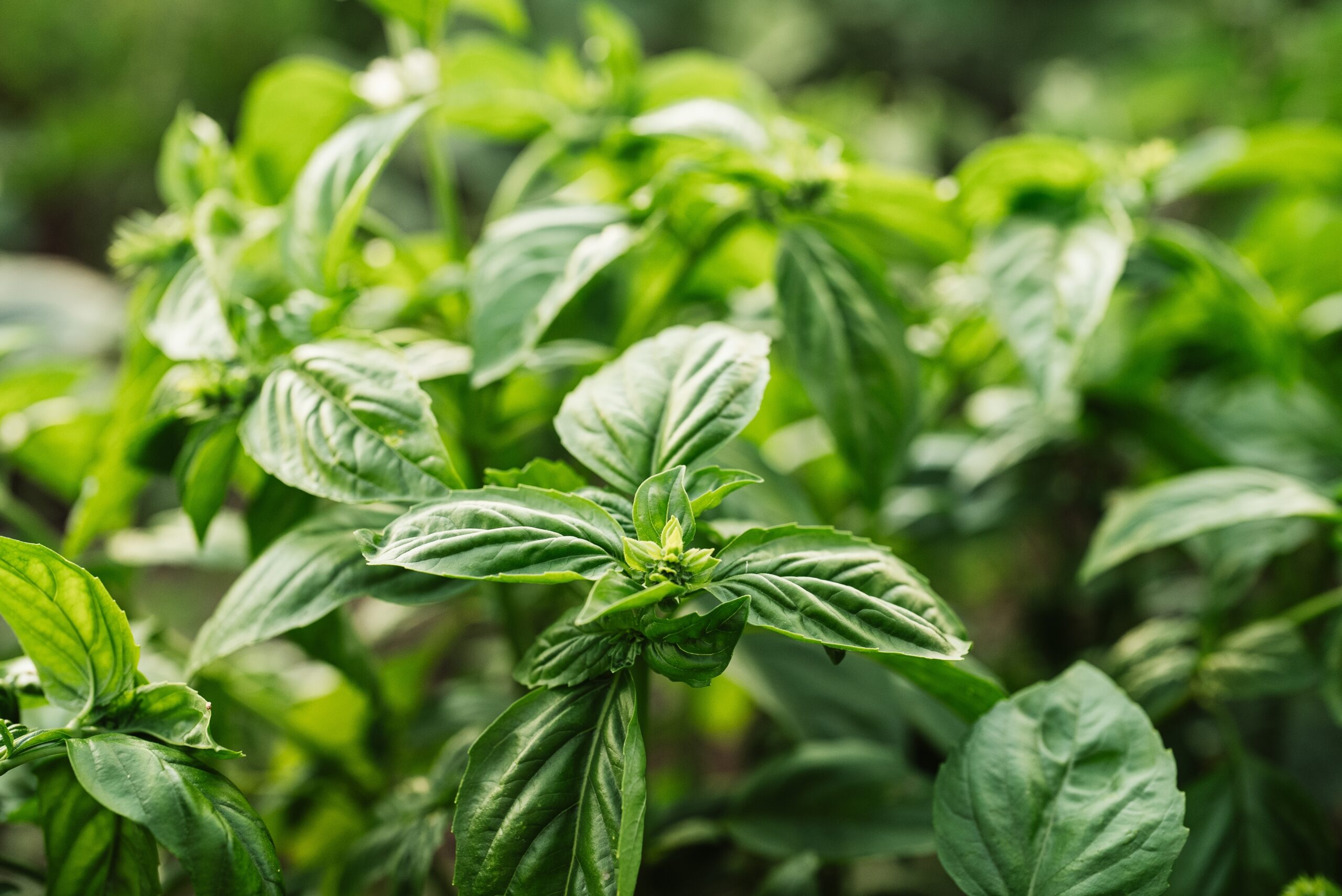
Green,Basil,Plant,Growing,In,Home,Garden.,Fresh,Leaves,Of

Holy Basil (Tulsi): Benefits, Uses & Wellness Support Guide

Holy Basil — also known as Tulsi — has been used for centuries in traditional wellness practices and is one of the most respected herbs in Ayurvedic tradition.

Today, Holy Basil is popular worldwide for its ability to support:

  • Stress management
  • Mental clarity
  • Immune health
  • Energy balance
  • Overall wellness

Unlike culinary basil used in cooking, Holy Basil is considered an adaptogenic herb, meaning it may help the body adapt to everyday stress.


What Is Holy Basil?

Holy Basil (Ocimum tenuiflorum or Ocimum sanctum) is an aromatic herb native to India and Southeast Asia.

It has traditionally been consumed as:

  • Herbal tea
  • Liquid extract
  • Capsules
  • Powder
  • Fresh leaves

The plant contains naturally occurring compounds such as:

  • Eugenol
  • Rosmarinic acid
  • Ursolic acid
  • Flavonoids
  • Antioxidants

These compounds are believed to contribute to its wellness-supporting properties.


1. Supports Stress & Relaxation

Holy Basil is most commonly known for its role in helping support a healthy response to everyday stress.

Many people use Tulsi to help:

  • Promote calmness
  • Support emotional balance
  • Encourage relaxation without drowsiness
  • Maintain focus during stressful periods

Because it is considered an adaptogen, Holy Basil may help support the body’s natural stress-response system.


2. Supports Energy & Mental Clarity

Some users report that Holy Basil helps them feel:

  • More mentally focused
  • Less mentally fatigued
  • More balanced throughout the day

Unlike stimulants, Holy Basil is generally used to support balanced energy rather than temporary stimulation.

It is often combined with:

  • Green tea
  • Ashwagandha
  • Rhodiola
  • B-complex vitamins

for broader wellness support.


3. Rich in Antioxidants

Holy Basil naturally contains antioxidants that help protect cells from oxidative stress caused by free radicals.

Antioxidants are important because they help support:

  • Healthy aging
  • Cellular wellness
  • Overall vitality

A diet rich in antioxidant-containing foods and herbs is often associated with long-term wellness support.


4. Immune System Support

Holy Basil has traditionally been used during seasonal changes and wellness routines focused on immune support.

People commonly use it in:

  • Herbal teas
  • Wellness tonics
  • Seasonal support formulas

especially during colder months or periods of environmental stress.


5. Digestive Wellness Support

Some people use Holy Basil to support:

  • Occasional digestive discomfort
  • Bloating
  • General digestive balance

Tulsi tea is especially popular after meals because it is gentle and naturally soothing.


6. Supports Overall Wellness

Holy Basil is often included in holistic wellness routines because it may help support:

  • Healthy lifestyle balance
  • Daily vitality
  • Healthy inflammatory response already within normal range
  • General well-being

Its broad traditional use is one reason it remains one of the most respected herbs in herbal wellness systems.


Popular Ways to Use Holy Basil

Tea

One of the most traditional and popular ways to enjoy Tulsi.

Capsules

Convenient for daily supplementation.

Liquid Extracts

Often used for faster absorption and customizable serving sizes.

Powder

Can be added to smoothies or wellness drinks.


Foods & Ingredients That Pair Well With Holy Basil

Holy Basil is often combined with:

  • Ginger
  • Lemon balm
  • Turmeric
  • Green tea
  • Ashwagandha
  • Honey
  • Lemon

for a broader wellness-focused lifestyle routine.


Possible Considerations

While Holy Basil is generally well tolerated, some people should speak with a healthcare professional before use, especially if they:

  • Are pregnant or nursing
  • Take medications
  • Have a medical condition
  • Use blood sugar or blood-thinning medications

As with any supplement, quality and proper use matter.


Choosing a Quality Holy Basil Supplement

When shopping for Holy Basil, look for:

  • Clearly labeled ingredients
  • Reputable brands
  • Kosher certification if important to you
  • Standardized extracts when applicable
  • Clean ingredient profiles

Final Thoughts

Holy Basil has remained popular for centuries because of its versatility and gentle wellness-supporting properties.

Whether enjoyed as tea or taken as a supplement, Holy Basil may help support:

  • Everyday stress management
  • Mental clarity
  • Immune wellness
  • Antioxidant support
  • Overall balance

For many people, it’s a simple addition to a healthy lifestyle routine focused on long-term wellness.


FDA Disclaimer

These statements have not been evaluated by the Food and Drug Administration.
This product is not intended to diagnose, treat, cure, or prevent any disease.

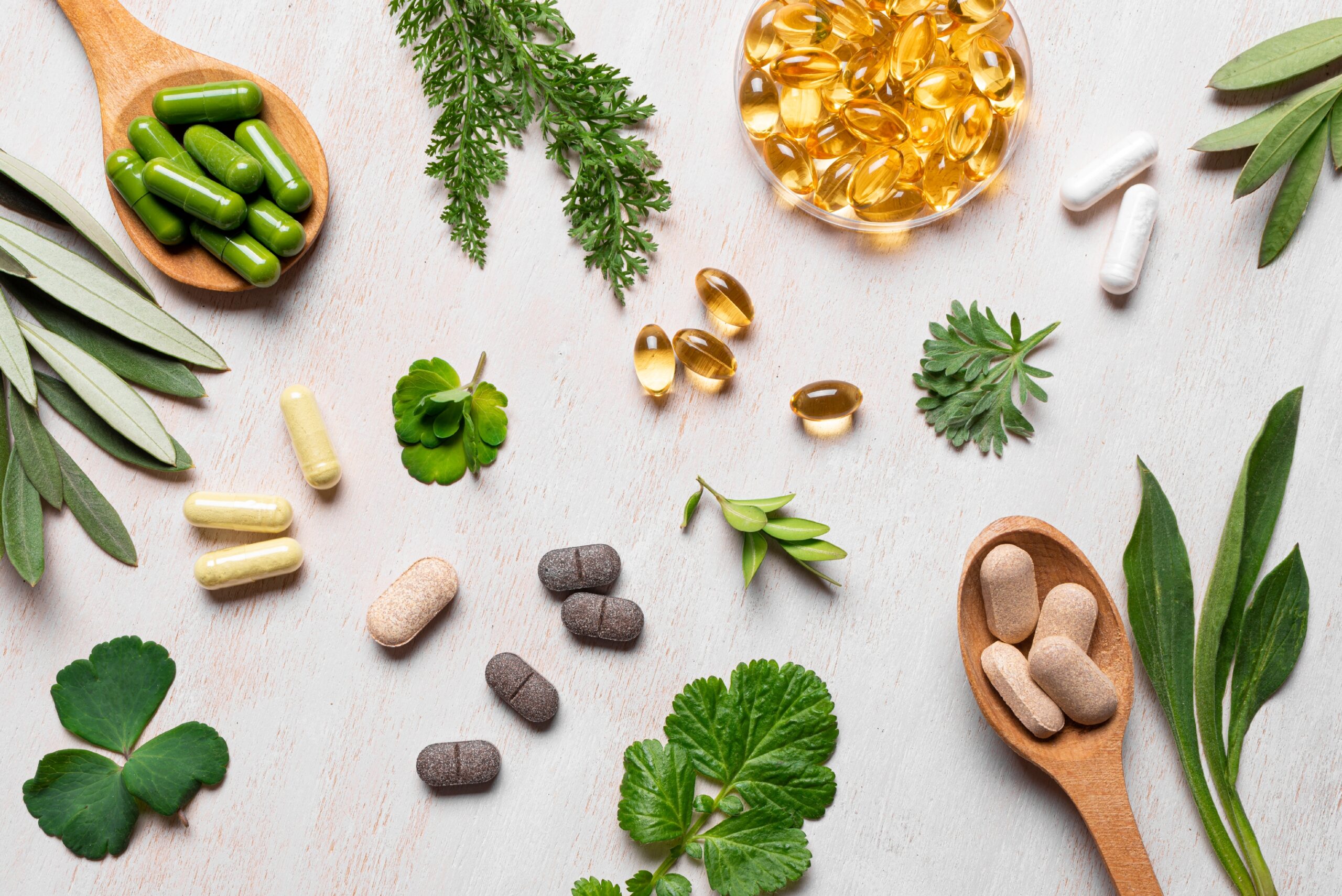
Natural,Vitamins,,Plant,Based,Supplements,And,Green,Leaves,Flat,Lay

Berberine for Blood Sugar: What Research Actually Says

Berberine has become one of the most discussed natural compounds in metabolic health circles, particularly for blood sugar support.

What Is Berberine?
Berberine is a plant-derived alkaloid found in herbs such as Barberry, Goldenseal, and Coptis chinensis. While used traditionally for centuries, modern research focuses on its metabolic effects, specifically glucose regulation and lipid balance. Most supplements use berberine hydrochloride (HCl), the standard researched form.

The Two Main Types of Berberine Supplements

1.  Standard Berberine HCl: This is the most studied form. Clinical research typically uses 500 mg dosages, 2–3 times daily with meals. While well-supported by research, it has relatively modest bioavailability.

2.  Enhanced or Advanced Forms: Newer versions like Dihydroberberine, Phytosome-bound berberine, and sustained-release formulations aim to improve absorption and reduce digestive discomfort.

How Does Berberine Work?
Berberine activates AMPK (AMP-activated protein kinase), often called the body’s “metabolic regulator.” When activated, it may:

  – Improve insulin sensitivity
  – Reduce glucose production in the liver
  – Enhance cellular glucose uptake
  – Support lipid metabolism

Does Berberine Help with Blood Sugar?
Research suggests berberine may support healthy fasting blood glucose, normal HbA1c levels, insulin sensitivity, and healthy cholesterol levels. However, it is not a substitute for prescription medication, and individuals managing blood sugar conditions should consult a healthcare provider before use.

Who Should Use Caution?
Berberine may not be appropriate for pregnant or nursing women, children, or individuals on glucose-lowering medications or drugs affected by liver enzyme pathways. Medical supervision is recommended for anyone managing metabolic conditions.

Final Takeaway
Berberine is an extensively studied botanical for metabolic support. Whether using standard HCl or newer enhanced forms, research suggests it may support healthy blood sugar and lipid metabolism when used responsibly under appropriate guidance.

These statements have not been evaluated by the Food and Drug Administration. This product is not intended to diagnose, treat, cure, or prevent any disease.