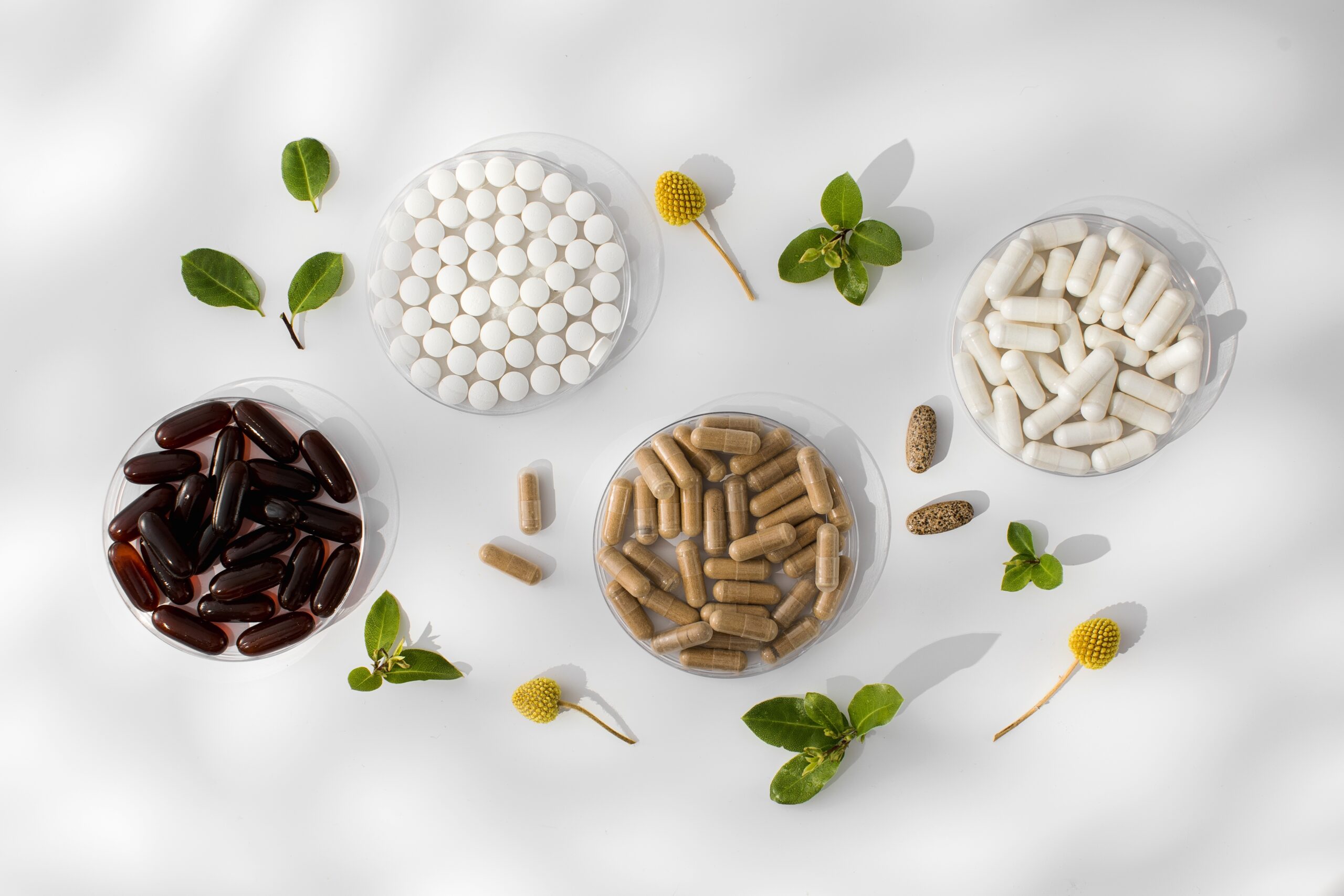
Various,Vitamins,,Tablets,And,Dietary,Supplements,With,Natural,Formulations,On

4 Most Common Forms of Magnesium: Which Is Best For Your Goals?

Introduction: Magnesium is a vital mineral that plays a crucial role in various bodily functions. It is involved in over 300 biochemical reactions and is essential for maintaining optimal health. While magnesium can be obtained through a balanced diet, many people may consider supplementation to meet their daily requirements. However, with numerous forms of magnesium available, it’s important to understand which form suits your goals the best. In this blog, we will explore the four most common forms of magnesium and guide you in selecting the right one for your needs.

  1. Magnesium Citrate: Magnesium citrate is one of the most widely used forms of magnesium. It is easily absorbed by the body and has a laxative effect, making it useful for those with constipation. Additionally, it may help with muscle cramps, promote relaxation, and support digestion. However, its bowel-loosening properties can be excessive for some individuals.
  2. Magnesium Glycinate: Magnesium glycinate is a chelated form of magnesium that is highly bioavailable and well-tolerated. It is less likely to cause gastrointestinal issues and is often recommended for individuals with digestive sensitivities. This form of magnesium is known for its calming properties, making it beneficial for sleep support and relaxation.
  3. Magnesium Oxide: Magnesium oxide has a high magnesium content and is commonly used as a supplement. While it has good absorption, it can have a laxative effect due to the release of oxygen in the intestines. It is often used for short-term relief of constipation but may not be ideal for those seeking long-term supplementation.
  4. Magnesium L-Threonate: Magnesium L-threonate is a newer form of magnesium that has gained attention for its ability to penetrate the blood-brain barrier and enhance brain function. It has been studied for its potential benefits in improving memory, cognitive performance, and overall brain health. This form of magnesium is especially beneficial for individuals looking to support mental clarity and focus.

How much magnesium should we get daily? The recommended daily intake of magnesium varies depending on age, sex, and specific health conditions. The average adult male should aim for around 400-420 mg per day, while the average adult female should aim for 310-320 mg per day. Pregnant or lactating women may require higher amounts. However, it’s important to consult with a healthcare professional to determine the appropriate dosage for your individual needs.

Foods high in magnesium: Incorporating magnesium-rich foods into your diet is an excellent way to ensure you meet your daily requirements. Some of the best food sources of magnesium include:

  1. Dark leafy greens: Spinach, kale, and Swiss chard are rich in magnesium.
  2. Nuts and seeds: Almonds, cashews, pumpkin seeds, and flaxseeds are high in magnesium.
  3. Legumes: Black beans, chickpeas, and lentils are good sources of magnesium.
  4. Whole grains: Brown rice, quinoa, and oats provide magnesium along with other essential nutrients.
  5. Fish: Salmon, mackerel, and halibut contain magnesium, as well as omega-3 fatty acids.
  6. Avocado: Apart from being a great source of healthy fats, avocados are also rich in magnesium.
  7. Dark chocolate: Enjoying a small piece of dark chocolate can provide a magnesium boost.

Please note! Foods high in magnesium may provide a substantial amount of the mineral, but it’s important to note that the exact magnesium content can vary. This variability arises from the fact that the magnesium levels in food depend on how and where the food was grown. The mineral content of plants is influenced by the magnesium levels in the soil they are cultivated in. Plants grown in magnesium-rich and fertile soil tend to have higher magnesium content. However, it is challenging to ascertain the precise soil conditions for each food item when purchasing from grocery stores. Therefore, while the foods mentioned in the previous section are generally considered good sources of magnesium, the actual magnesium content may differ based on the specific growing conditions of the produce.

Conclusion: Choosing the right form of magnesium and ensuring you meet your daily requirements is crucial for overall health and well-being. Whether you opt for magnesium citrate, glycinate, oxide, or L-threonate, consider your goals and consult with a healthcare professional to make an informed decision. Remember to also incorporate magnesium-rich foods

wepik-export-20230601204023NoXu

Title: DIY Hand Sanitizer: Quick and Effective Recipes for Clean Hands

Introduction:
In today’s world, maintaining good hand hygiene has become more crucial than ever. Hand sanitizers are a convenient and effective way to keep your hands clean when soap and water are not readily available. While commercial hand sanitizers are widely accessible, making your own can be a fun and cost-effective alternative. In this blog, we’ll explore two simple recipes for DIY hand sanitizers that you can easily prepare at home: The Quick Recipe and The Better Spray Recipe.

The Quick Recipe:

Ingredients:

Instructions:

  1. Gather your ingredients and ensure all the utensils and containers are clean.
  2. In a mixing bowl, combine 3 parts isopropyl alcohol with 1 part aloe vera gel. For example, if you use 3 cups of isopropyl alcohol, you’ll need 1 cup of aloe vera gel.
  3. Stir the mixture well until the ingredients are thoroughly blended.
  4. Add a few drops of tea tree oil or the essential oil you love to the mixture for a pleasant scent and additional antimicrobial properties. Stir again to incorporate the oil.
  5. Transfer the hand sanitizer into a suitable container, preferably one with a pump or flip-top lid for easy dispensing.
  6. Label the container clearly with the ingredients and date of preparation.

Usage:
Apply a small amount of the hand sanitizer to the palm of your hand and rub your hands together, ensuring you cover all surfaces until the sanitizer evaporates. Remember to follow the recommended guidelines for hand sanitization duration, typically around 20 seconds.

The Better Spray Recipe:

Ingredients:

  • Isopropyl alcohol (at least 99% concentration)
  • Glycerol or glycerin
  • Hydrogen peroxide
  • Distilled water
  • Spray bottle

Instructions:

  1. As with the previous recipe, start by ensuring all utensils and containers are clean.
  2. In a mixing bowl, 12 fluid ounces of alcohol with 2 teaspoons of glycerol or glycerin. Glycerol helps prevent your skin from drying out due to the high alcohol content.
  3. Add 1 tablespoon of hydrogen peroxide to the mixture. Hydrogen peroxide helps eliminate any potential contaminants.
  4. Gradually pour in 3 fluid ounces of distilled water. This step ensures the hand sanitizer reaches the desired consistency and reduces the overall alcohol concentration to a safe level.
  5. Stir the mixture thoroughly until all the ingredients are well incorporated.
  6. Using a funnel, carefully transfer the mixture into a clean spray bottle.
  7. Label the bottle with the ingredients and preparation date.

Usage:
Spray a sufficient amount of the hand sanitizer onto your hands, ensuring you cover all surfaces. Rub your hands together until dry, allowing the sanitizer to effectively eliminate germs and bacteria.

Conclusion:
While making your own hand sanitizer can be a fun and convenient option, it’s essential to remember that commercially manufactured sanitizers undergo rigorous testing to ensure their safety and effectiveness. DIY hand sanitizers should only be used when commercial alternatives are unavailable. Additionally, it’s crucial to follow the recommended guidelines for hand hygiene, which include regular handwashing with soap and water whenever possible.

Stay safe, maintain good hygiene practices, and keep your hands clean with these DIY hand sanitizer recipes!

high-angle-smiley-father-brushing-kid-s-hair

Bye Bye Dandruff: Effective Solutions and Products for Healthy Scalp

Introduction: Dealing with dandruff can be frustrating and embarrassing. Flaky scalp, itchiness, and irritation are common symptoms that can affect our confidence and overall well-being. Fortunately, there are excellent products available to help combat dandruff and restore a healthy scalp. In this blog, we will explore some effective tips to prevent and treat dandruff, along with two outstanding products: Avalon Organics Therapy Anti-Dandruff Shampoo and Conditioner and Jason Anti-Dandruff Shampoo and Conditioner. We will also recommend other helpful items from www.koshervitamins.com, ensuring you have a complete arsenal for a dandruff-free life.

Understanding Dandruff: Dandruff is a common scalp condition that results in the shedding of dead skin cells, causing flaky scalp and itchiness. It can be caused by various factors, including dry scalp, excess oil production, fungal infections, or sensitivity to certain hair care products. While dandruff may not be completely curable, it can be effectively managed with proper care and suitable products.

Tips for Preventing and Treating Dandruff:
Maintain Good Hair Hygiene: Regularly wash your hair to keep your scalp clean and free from excessive oil, dirt, and dead skin cells. However, avoid over-washing, as it can strip away natural oils, leading to a dry scalp.

Use Suitable Hair Products: Choose gentle, anti-dandruff shampoos and conditioners that are specifically formulated to target the underlying causes of dandruff. Look for ingredients such as salicylic acid, tea tree oil, ketoconazole, or pyrithione zinc, as these are known to be effective in reducing dandruff.
Be Mindful of Styling Products: Certain hair styling products like gels, sprays, or pomades can contribute to scalp irritation and dandruff. Opt for water-based or oil-free alternatives to minimize product buildup on the scalp.

Avoid Hot Water and Harsh Shampoos: Hot water can strip away essential oils from your scalp, leading to dryness and dandruff. Additionally, harsh shampoos with sulfates can aggravate scalp irritation. Use lukewarm water and opt for sulfate-free shampoos whenever possible.
Practice Regular Scalp Exfoliation: Gently exfoliate your scalp once or twice a week to remove dead skin cells and promote a healthy scalp. You can use a scalp scrub or a soft brush specifically designed for scalp exfoliation.

Featured Products:
Avalon Organics Therapy Anti-Dandruff Shampoo and Conditioner: Avalon Organics Therapy Anti-Dandruff Shampoo and Conditioner are excellent choices for effectively combating dandruff while providing nourishment to your hair. These products contain therapeutic ingredients such as tea tree oil, aloe vera, and chamomile to help soothe and balance the scalp. With regular use, they can help control flaking and itching, leaving your hair healthy and dandruff-free.

Jason Anti-Dandruff Shampoo and Conditioner: Jason Anti-Dandruff Shampoo and Conditioner are specially formulated to tackle dandruff while promoting a healthy scalp. These products contain active ingredients like sulfur, salicylic acid, and rosemary extract to control dandruff, reduce itchiness, and provide relief. With their gentle formula, they are suitable for daily use, leaving your hair soft, manageable, and free from flakes.

Additional Helpful Items from www.koshervitamins.com:
Tea Tree Oil: Tea tree oil has antifungal and antimicrobial properties, making it a popular natural remedy for dandruff. Dilute a few drops of tea tree oil in your regular shampoo or carrier oil and massage it onto your scalp. Its soothing properties can help reduce dandruff and relieve itchiness.

Biotin Supplements: Biotin, also known as vitamin B7, supports healthy hair and scalp. Taking biotin supplements can help strengthen hair follicles, reduce flakiness, and promote overall scalp health.
Conclusion: With the right approach and suitable products, you can effectively manage and reduce dandruff symptoms. Incorporate good hair hygiene practices, use gentle anti-dandruff products like Avalon Organics Therapy Anti-Dandruff Shampoo and Conditioner or Jason Anti-Dandruff Shampoo and Conditioner, and consider additional items like tea tree oil or biotin supplements from www.koshervitamins.com to enhance your dandruff-fighting routine. Say goodbye to dandruff and hello to a healthier, flake-free scalp!