Chocolate,Energy,Protien,Balls,Made,Of,Raw,Organic,Nuts,And

Healthy Passover Energy Bites

A Quick Kosher for Pesach Superfood Snack

During Passover, many people look for snacks that are Kosher for Passover, easy to prepare, and made from wholesome ingredients. Between holiday meals, matzah, and busy preparation days, having a quick healthy snack available can be very helpful.

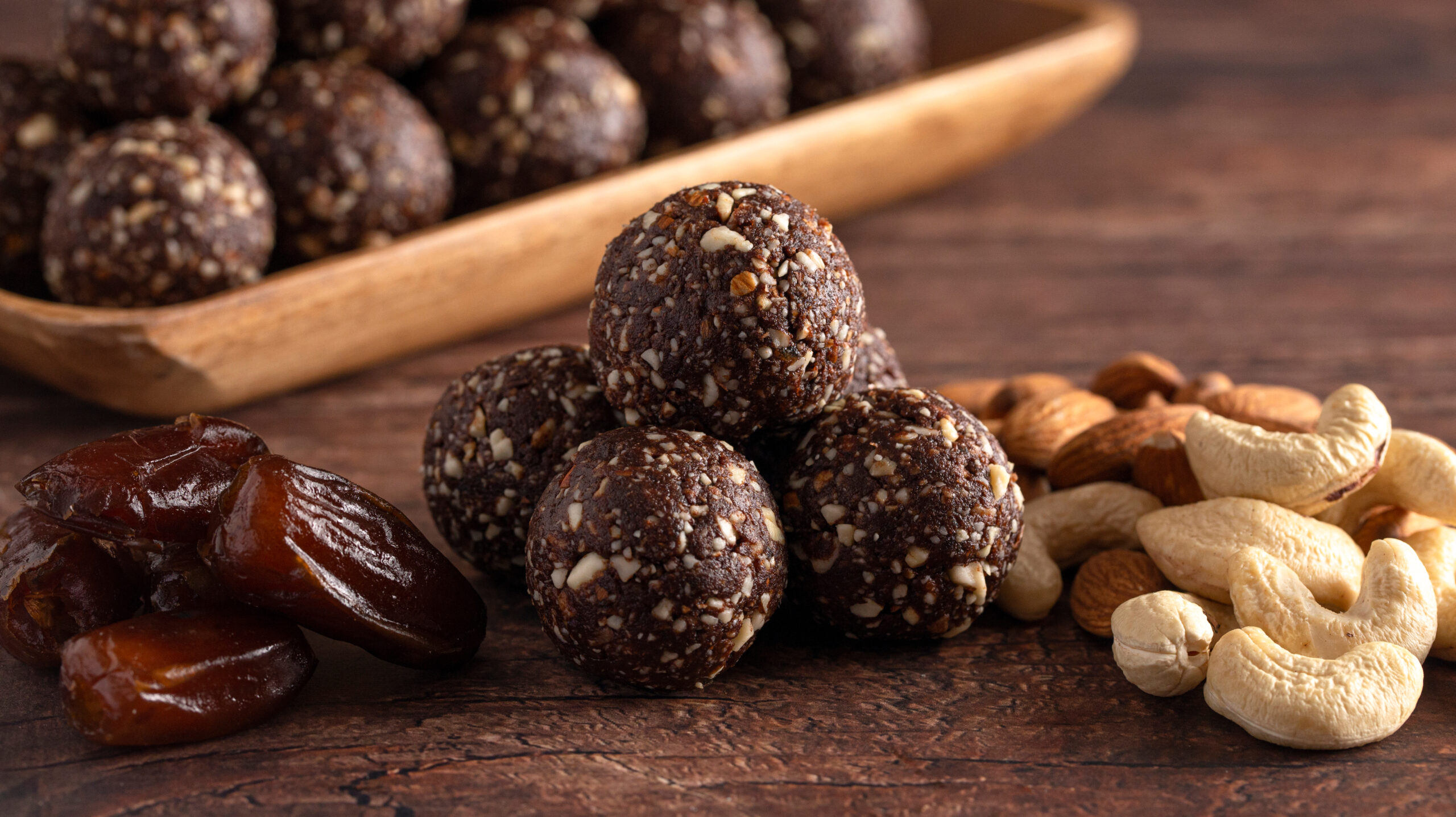
These Healthy Passover Energy Bites are a simple no-bake recipe made with nutritious ingredients such as nuts, coconut, cocoa, and honey. They are naturally gluten-free, satisfying, and perfect for Pesach.

Even better, many of the ingredients used in this recipe can be found in the natural foods section at KosherVitamins.com, making it easy to prepare a wholesome Passover treat.

Why Energy Bites Are Perfect for Passover

Energy bites are a popular healthy snack because they are:

  • Quick to prepare
  • No baking required
  • Made with simple whole ingredients
  • Naturally satisfying
  • Easy to store in the refrigerator

They also make a great afternoon snack, dessert alternative, or quick boost of energy during the busy days of Passover preparation.

Healthy Passover Energy Bites Recipe

Ingredients

  • 1 cup almond flour
  • ½ cup natural almond butter
  • 2 tablespoons honey
  • 2 tablespoons coconut oil (melted)
  • 2 tablespoons unsweetened cocoa powder
  • ¼ cup chopped walnuts or almonds
  • ¼ cup shredded coconut
  • Optional: pinch of sea salt or cinnamon

All ingredients should be Kosher for Passover certified when required.

Instructions

  1. In a mixing bowl, combine the almond flour, cocoa powder, and shredded coconut.
  2. Add almond butter, honey, and melted coconut oil.
  3. Stir until the mixture forms a thick dough.
  4. Fold in the chopped nuts.
  5. Roll the mixture into small balls (about 1 inch in size).
  6. Place the bites on a tray and refrigerate for 30 minutes to firm up.
  7. Store in an airtight container in the refrigerator for up to one week.

Optional Flavor Variations

You can easily customize these energy bites depending on your taste preferences.

Chocolate Coconut

Add extra shredded coconut and cocoa powder.

Cinnamon Almond

Add ½ teaspoon cinnamon for a warm Pesach flavor.

Nutty Crunch

Add chopped pecans, almonds, or pistachios.

Nutritional Benefits of the Ingredients

These bites are not just tasty—they include several ingredients known for their nutritional value.

Almond Flour

Almond flour provides healthy fats, protein, and vitamin E.

Coconut Oil

Coconut oil contains medium-chain triglycerides that can help support energy.

Cocoa Powder

Cocoa contains natural antioxidants and a rich chocolate flavor without added sugar.

Nuts

Nuts provide healthy fats, fiber, and plant-based protein.

Together, these ingredients create a snack that is both satisfying and nourishing.

Perfect for Passover Snacking

During Passover, many snack options become limited due to the avoidance of chametz. These energy bites provide a convenient homemade snack made from simple ingredients that can easily be adapted for Pesach.

They are perfect for:

  • Afternoon snacks
  • Quick dessert alternatives
  • Holiday guests
  • Lunchbox treats during Chol Hamoed

Ingredients Available at KosherVitamins.com

Many natural food ingredients used in recipes like this can often be found at KosherVitamins.com, including:

Choosing high-quality ingredients can help make your Passover recipes both delicious and wholesome.

Passover is a time for tradition, family gatherings, and special foods. Adding simple recipes like Healthy Passover Energy Bites can bring a nutritious option to the holiday table without requiring complicated preparation.

With just a few wholesome ingredients and no baking required, these bites are a quick and satisfying snack perfect for Pesach.

Heart-shaped,Bowl,With,A,Colorful,Assortment,Of,Various,Supplements,On

CoQ10 for Heart Health, Energy, and Overall Wellness

Coenzyme Q10, commonly known as CoQ10, is a popular supplement used to support heart health, cellular energy, and overall wellness. Because the heart is one of the body’s most energy-demanding organs, CoQ10 has gained attention for its role in helping support cardiovascular function.

Many people also use CoQ10 for antioxidant support, healthy aging, and maintaining energy levels. For those who keep kosher, choosing a kosher-certified CoQ10 supplement is an important part of selecting the right product.

What Is CoQ10?

CoQ10 is a naturally occurring compound found in every cell of the body. Its main job is to help produce ATP, the molecule that powers cellular energy. It also acts as an antioxidant, helping protect cells from oxidative stress.

The highest concentrations of CoQ10 are found in organs that need the most energy, including the heart, liver, kidneys, pancreas, and muscles. Since the heart works nonstop, it depends heavily on steady energy support.

CoQ10 and Heart Health

One of the most well-known uses of CoQ10 is supporting cardiovascular wellness. It helps the mitochondria, the parts of cells responsible for energy production, which is especially important for the heart. CoQ10 also provides antioxidant protection and may help support healthy circulation and blood vessel function.

Because of these benefits, CoQ10 is widely used by people looking to support heart health and overall vitality.

CoQ10 and Energy Production

CoQ10 is closely tied to the body’s natural energy production, which is why it is often used to support energy levels, stamina, muscle function, and general wellness. Since natural CoQ10 levels may decline with age, supplementation becomes more common over time.

CoQ10 and Statin Medications

Statin medications may reduce the body’s natural production of CoQ10. Because of this, some healthcare professionals recommend CoQ10 supplements for individuals taking statins. Anyone taking medication should speak with a healthcare provider before starting a new supplement.

Ubiquinol vs. Ubiquinone

CoQ10 supplements are usually available in two forms: ubiquinone and ubiquinol.

Ubiquinone is the traditional form of CoQ10 and has been used in supplements for many years. It is widely studied, commonly available, and often more affordable. The body converts it into ubiquinol as needed.

Ubiquinol is the active antioxidant form of CoQ10. It may offer better absorption for some individuals, is often recommended for older adults, and is typically more expensive.

Both forms can be beneficial, and the right choice often depends on personal preference, age, and health goals.

Typical CoQ10 Dosage

Many CoQ10 supplements provide between 100 mg and 200 mg per day, though some people may use more based on professional guidance. Because CoQ10 is fat-soluble, it is often best taken with a meal that contains fat for better absorption.

Choosing a Kosher CoQ10 Supplement

https://www.koshervitamins.com/shop/stores_app/Browse_dept_items.asp?Search_Text=coenzyme+&x=0&y=0&search_type=1

For consumers who follow kosher dietary standards, it is important to choose a supplement with reliable kosher certification. Kosher CoQ10 supplements are available in forms such as softgels, capsules, and oil-based formulas.

Kosher certification can offer added confidence that both the ingredients and manufacturing process meet appropriate dietary requirements.

At KosherVitamins.com, customers can find kosher-certified CoQ10 supplements from trusted brands, making it easier to support heart health and energy while maintaining kosher standards.

Final Thoughts

CoQ10 plays an important role in cellular energy production, antioxidant defense, and heart health. Whether you choose ubiquinone or ubiquinol, CoQ10 can be a helpful addition to a wellness routine based on your individual needs and goals.

For those seeking kosher-certified options, KosherVitamins.com offers trusted CoQ10 supplements that support both wellness and kosher compliance.

FDA Disclaimer

These statements have not been evaluated by the Food and Drug Administration.
These products are not intended to diagnose, treat, cure, or prevent any disease.

Autumn,Apple,Rounds,With,Peanut,Butter,,Chocolate,Chips,And,Nuts,

10 Healthy Kosher for Passover Snacks You Can Make in 10 Minutes

Quick Pesach Snacks Using Simple Ingredients

Passover Snacks

During Passover, snack options can feel limited because foods containing chametz are avoided. But with a few wholesome ingredients, it’s easy to prepare quick and satisfying snacks that are both Kosher for Passover and nutritious.

Below are 10 simple snack ideas you can prepare in about 10 minutes, many using natural ingredients commonly found in the healthy foods section of KosherVitamins.com.

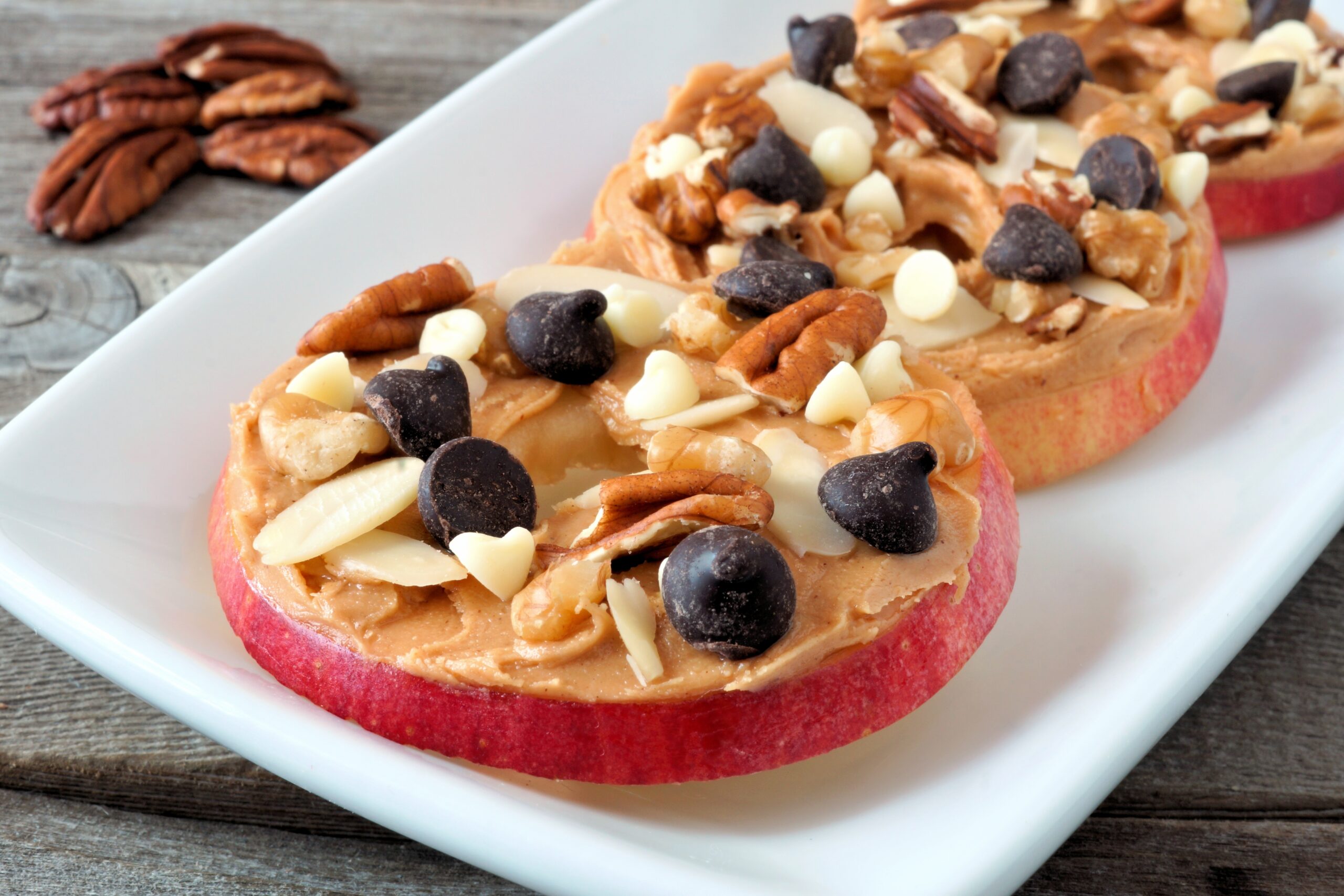
1. Almond Butter Apple Slices

A quick and satisfying snack with protein and fiber.

Ingredients

Spread almond butter over apple slices for a sweet and crunchy treat.

2. Dark Chocolate Nut Clusters

A quick no-bake Passover dessert.

Ingredients

Melt chocolate with coconut oil, mix in nuts, scoop onto parchment paper, and refrigerate for a few minutes.

3. Coconut Energy Bites

These are simple no-bake snack balls.

Ingredients

Mix ingredients together, roll into small balls, and chill.

4. Avocado with Sea Salt

A healthy fat snack that takes only seconds.

Ingredients

  • Fresh avocado
  • Sea salt
  • Optional: squeeze of lemon

Slice the avocado and sprinkle with salt.

5. Yogurt with Honey and Nuts

A creamy and satisfying snack.

Ingredients

  • Plain yogurt
  • Honey
  • Chopped almonds or walnuts

Stir together and enjoy.

6. Fresh Berry Bowl

A refreshing snack rich in antioxidants.

Ingredients

  • Strawberries
  • Blueberries
  • Raspberries
  • Optional drizzle of honey

Simply rinse and serve.

7. Nut and Coconut Trail Mix

A homemade Pesach-friendly trail mix.

Ingredients

Mix together in a bowl for a crunchy snack.

8. Chocolate Banana Bites

A fun snack that feels like dessert.

Ingredients

  • Banana slices
  • Melted dark chocolate

Dip banana slices in chocolate and chill briefly.

9. Smoothie with Collagen

A nutritious snack drink.

Ingredients

Blend until smooth.

10. Almond Flour Mug Cake

A quick Passover-friendly treat.

Ingredients

Mix ingredients in a mug and microwave for about 60–90 seconds.

Healthy Ingredients Often Used in Passover Snacks

Many Pesach snack recipes use simple ingredients such as:

Many of these ingredients are available through KosherVitamins.com, where consumers can find natural food products and supplements that meet kosher dietary standards.

Tips for Healthy Snacking During Passover

Choose Whole Ingredients

Fresh fruit, nuts, and natural foods are excellent Pesach snack options.

Keep Snacks Simple

Recipes with fewer ingredients are easier to verify as Kosher for Passover.

Balance Protein and Healthy Fats

Nuts, yogurt can help keep you satisfied between meals.

Prepare Snacks in Advance

Making snacks ahead of time can make busy Passover days easier.

Final Thoughts

Even during Passover, it’s easy to enjoy quick, healthy snacks made from wholesome ingredients. With just a few simple foods like nuts, fruit, coconut, and dark chocolate, you can prepare delicious snacks in minutes.

These ideas help make Pesach snacking simple, nutritious, and delicious.


Skincare,Cosmetic,Products,Standing,Against,Gradient,Background

Acne: Causes, Skincare, and Supplements That May Help

Acne is one of the most common skin concerns, affecting both teens and adults. It happens when pores become clogged with oil, dead skin cells, and bacteria, which can lead to inflammation and breakouts.

Common types of acne include whiteheads, blackheads, pimples, and deeper cyst-like bumps. Acne often appears on the face, chest, back, shoulders, and neck.

What Causes Acne?

Acne is usually caused by a mix of factors, including:

Excess oil production
Hormonal changes can cause the skin to produce more oil, which may clog pores.

Clogged pores
Dead skin cells can build up and mix with oil inside the follicle.

Bacteria
A naturally occurring skin bacterium can grow in blocked pores and contribute to inflammation.

Hormonal changes
Breakouts are common during puberty, menstrual cycles, pregnancy, and times of stress.

Diet and lifestyle
Some people notice more breakouts with high sugar diets, refined carbs, dairy, stress, or poor sleep.

Skincare Ingredients That May Help

A simple skincare routine can go a long way in supporting clearer-looking skin.

Acne pads
Acne treatment pads can help cleanse pores, remove excess oil, and gently exfoliate the skin. Many contain ingredients like salicylic acid, glycolic acid, or botanical extracts.

Salicylic acid
Helps unclog pores and reduce blackheads and whiteheads.

Benzoyl peroxide
Targets acne-causing bacteria and helps reduce inflammation.

Retinoids
Support skin cell turnover and may help prevent clogged pores over time.

Supplements That May Support Skin Health

Some people also use nutritional support as part of their routine.

Zinc may help support skin healing and a healthy inflammatory response.
Omega 3 fatty acids may support skin barrier health and overall wellness.
Vitamin A plays a role in skin cell turnover, though high doses should only be taken with professional guidance.
Probiotics may support gut health, which can influence skin health.
Vitamin D supports immune function and overall skin wellness.

Lifestyle Tips for Clearer Skin

A few daily habits can also make a difference:

  • Wash with a gentle cleanser twice daily
  • Avoid picking at pimples
  • Choose non-comedogenic skincare and makeup
  • Manage stress when possible
  • Focus on a balanced diet and good sleep

Final Thoughts

Acne is common, and it often has more than one cause. A balanced approach that includes gentle skincare, healthy habits, and targeted nutritional support may help improve the look of acne-prone skin over time. Consistency matters most.

FDA Disclaimer
These statements have not been evaluated by the Food and Drug Administration. These products are not intended to diagnose, treat, cure, or prevent any disease.

A,Man's,Hand,Reaching,For,Yellow,Transparent,Vitamin,D,And

Vitamin D: Benefits, Deficiency Risks, and Who Should Supplement

Vitamin D is one of the most commonly used dietary supplements worldwide—and for good reason. It plays a critical role in bone health, immune function, and overall wellness. Despite its importance, vitamin D deficiency remains widespread, especially in populations with limited sun exposure.

This guide explains what vitamin D is, why it matters, who may be at risk of deficiency, and how supplementation can help support overall health—using FDA-permitted structure/function language only.


What Is Vitamin D?

Vitamin D is a fat-soluble vitamin that helps the body absorb calcium and phosphorus—minerals essential for maintaining strong bones and teeth. Unlike most vitamins, vitamin D can be produced by the body when skin is exposed to sunlight. However, modern lifestyles, seasonal changes, and geographic factors often limit adequate sun exposure.

Vitamin D is available in two main forms:

  • Vitamin D2 (ergocalciferol) – derived from plant sources
  • Vitamin D3 (cholecalciferol) – typically derived from lanolin or fish oil and more efficiently utilized by the body

FDA-Recognized Benefits of Vitamin D

According to the U.S. Food and Drug Administration, vitamin D may be described using the following approved structure/function claims:

  • Supports bone health
  • Aids calcium absorption
  • Supports immune system function
  • Helps maintain normal muscle function

These benefits make vitamin D foundational for long-term wellness across multiple life stages.


Signs You May Be Low in Vitamin D

Vitamin D deficiency is common and often goes unnoticed. While symptoms vary, individuals with low vitamin D levels may experience:

  • Low energy or fatigue
  • General muscle discomfort
  • Reduced sun tolerance
  • Bone or joint discomfort over time

Only a blood test ordered by a healthcare professional can confirm deficiency.


Who Is Most at Risk for Vitamin D Deficiency?

Certain populations are more likely to have insufficient vitamin D levels, including:

  • Individuals with limited sun exposure
  • People living in northern climates
  • Older adults
  • Those who cover most of their skin for cultural or religious reasons
  • Individuals with limited dietary intake of vitamin D–rich foods

For many, supplementation is a practical way to maintain adequate intake year-round.


Vitamin D2 vs. Vitamin D3: What’s the Difference?

While both forms contribute to vitamin D intake:

  • Vitamin D3 is generally more effective at raising and maintaining vitamin D levels in the body.
  • Vitamin D2 is often used in fortified foods and plant-based formulations.

Many supplements use vitamin D3 due to its higher bioavailability.


How Much Vitamin D Do Adults Need?

The Recommended Dietary Allowance (RDA) for vitamin D varies by age and life stage. Many adults choose supplements providing 1,000–2,000 IU daily, though individual needs may differ.

Always consult a healthcare professional before taking higher doses or if combining multiple vitamin D–containing products.


Can You Take Too Much Vitamin D?

Yes. Because vitamin D is fat-soluble, excessive intake over time may lead to elevated levels in the body. This is why:

  • Supplement labels should be followed carefully
  • High-dose vitamin D should only be used under professional guidance

Moderate daily supplementation within recommended limits is generally considered safe for healthy adults.


Food Sources vs. Supplements

Vitamin D can be obtained from:

  • Fatty fish (salmon, sardines)
  • Fortified milk and cereals
  • Egg yolks

However, diet alone often provides limited amounts, making supplements a convenient option for consistent intake.


Frequently Asked Questions (FAQ)

Is vitamin D safe to take daily?

Yes, when taken within recommended amounts. Many adults take vitamin D daily as part of a wellness routine.

Should vitamin D be taken with food?

Because vitamin D is fat-soluble, it is best taken with a meal that contains fat for optimal absorption.

Is vitamin D kosher?

Many vitamin D supplements are available with reliable kosher certification. Always check the product label or certification symbol.

Can children take vitamin D?

Yes, children often use vitamin D drops Gummies or chewables formulated specifically for pediatric needs. Dosage should be age-appropriate.


The Bottom Line

Vitamin D plays a vital role in supporting bone health, immune function, and overall wellness. Due to limited sun exposure and dietary challenges, supplementation is a practical option for many individuals.

Choosing a high-quality, properly certified vitamin D supplement and using it responsibly can help support long-term health as part of a balanced lifestyle.

Health,And,Diet,Content.,Natural,Immune,System,Support,Kit-ginger,,Lemon,

Building a Stronger Immune Routine This Winter: Practical Vitamin & Wellness Tips for Busy Families

Winter often brings colder weather, less sunlight, busier schedules and unfortunately, a higher risk of seasonal illness. Whether managing a household, working long hours, or caring for children and elderly relatives, many families look for practical, responsible ways to support overall wellness during the winter months.

This guide provides an organized, commonsense overview of nutritional support, lifestyle habits, and supplemental options that many families consider as part of a broader winter health routine. (As always, individuals should consult a qualified healthcare provider before starting or changing any supplement program, especially if pregnant, nursing, elderly, or managing medical conditions.)


Why Winter Puts Extra Stress on the Body

Several seasonal factors naturally affect how people feel during the winter:

  • Less sunlight exposure
  • More time spent indoors and in close proximity to others
  • Increased fatigue and stress during busy schedules
  • Dry indoor air and colder outdoor temperatures
  • Changes in sleep patterns and daily activity

For many individuals, these conditions can contribute to lower energy levels and increased vulnerability to seasonal discomforts. That’s why many people choose to be proactive about immune support — balancing nutrition, rest, hydration, and appropriate supplementation.


Foundations First: Lifestyle Habits That Support Wellness

Before discussing supplements, it is important to recognize that core daily habits make a meaningful difference.

Sleep consistency matters. Adults who maintain regular sleep schedules generally experience better immune resilience than those with irregular or insufficient rest.

Hydration supports recovery. Warm fluids, soups, and water throughout the day help offset dry winter environments.

Balanced nutrition remains essential. Diets including fruits, vegetables, lean proteins, whole grains, and healthy fats provide the micronutrients the body relies on for maintenance and repair.

Physical movement, even light activity helps circulation. Short walks, stretching, or indoor exercise support overall vitality.

These pillars are not replacements for medical care; rather, they create a stronger baseline for overall wellness.


Key Vitamins and Nutrients Commonly Used in Winter

While needs vary by person, families often focus on a few core nutrients during winter months. Here are several commonly discussed categories, along with their general roles.

Vitamin D – Sunlight Support for Darker Months

Many individuals receive most of their Vitamin D from sunlight exposure — which drops significantly in winter. Vitamin D is associated with:

  • Bone and muscle support
  • Immune system health
  • Mood and energy balance

Some people choose to supplement Vitamin D during winter after consulting a healthcare provider, especially if they live in northern climates or spend most of the day indoors.


Vitamin C – Classic Seasonal Immune Support

Vitamin C has long been associated with immune function and antioxidant protection. It is commonly used to support:

  • Immune response during winter
  • Cellular antioxidant defenses
  • General wellness during travel or exposure to crowds

Some prefer traditional Vitamin C tablets or capsules, while others select chewables, powders, or buffered formulas.


Zinc – Short-Term Seasonal Support

Zinc plays a role in immune activity and cellular repair. Many individuals choose zinc supplements during the onset of seasonal discomforts or when extra immune support is desired. Because zinc intake should be balanced and not overused, dosage guidance from a healthcare provider or product label should be followed carefully.


Elderberry, Mushrooms, and Herbal Immune Blends

In addition to vitamins and minerals, some families look toward botanical or functional-mushroom formulas designed for seasonal support. These may include:

While these products are widely used in wellness routines, they are not intended to diagnose, treat, or cure illness — and may not be appropriate for everyone. Individuals on medications or managing conditions should consult a professional before use.


Immune Support for Children and Teens

Parents often look for age-appropriate nutritional support options during winter. When evaluating children’s supplements, families typically consider:

  • Sugar content (especially in gummies or liquids)
  • Kosher certification
  • Allergen transparency (gluten, dairy, soy, etc.)
  • Age-specific dosing
  • Ease of use and taste

Because children’s needs differ from adults, pediatric guidance is especially important before introducing new supplements.


When to Seek Professional Advice

Supplements are only one component of a broader health plan. Individuals should contact a medical professional promptly if they experience:

  • Persistent fever or respiratory difficulty
  • Significant fatigue or weakness
  • Symptoms lasting longer than expected
  • Underlying health conditions complicated by illness

Wellness support and responsible medical care should work hand-in-hand — not replace one another.


Building a Thoughtful Winter Wellness Plan

A practical winter routine may include:

  • Consistent sleep and hydration habits
  • Nutritious meal planning
  • Appropriate vitamin or immune support supplements (when recommended)
  • Preventive hygiene practices
  • Open communication with healthcare providers

Small, steady improvements often make more difference than drastic changes.


Final Thoughts

Winter can be a demanding season, but with structure, awareness, and intentional wellness choices, many families find ways to support resilience, energy, and balance throughout the colder months.

Baking,Ingredients,Eggs,,Flour,,Sugar,,Butter,,Vanilla,,Cream,On,A

Delicious Passover Baking Recipes: Cakes, Cookies, and Muffins

Passover may come with dietary restrictions, but that doesn’t mean you have to miss out on delicious baked goods! With the right flour alternatives, you can enjoy moist cakes, flavorful cookies, and fluffy muffins while keeping everything kosher for Passover. Here are some fantastic recipes featuring Passover-friendly flours.


1. Almond Flour Chocolate Chip Cookies

These soft and chewy cookies are packed with chocolatey goodness and made entirely with Passover-approved ingredients.

Ingredients:

Instructions:

  1. Preheat your oven to 350°F and line a baking sheet with parchment paper.
  2. In a bowl, mix almond flour, baking soda, and salt.
  3. Add melted coconut oil, honey, and vanilla extract. Stir until combined.
  4. Fold in the chocolate chips.
  5. Scoop small portions of dough onto the baking sheet and flatten slightly.
  6. Bake for 10-12 minutes or until the edges are golden brown.
  7. Let cool and enjoy!

2. Coconut Flour Passover Banana Muffins

Moist and naturally sweet, these muffins are a great breakfast or snack option during Passover.

Ingredients:

Instructions:

  1. Preheat oven to 350°F and line a muffin tin with paper liners.
  2. In a bowl, whisk together mashed bananas, eggs, honey, vanilla, and melted coconut oil.
  3. Add coconut flour, baking soda, and salt. Stir until well combined.
  4. Pour the batter evenly into the muffin cups.
  5. Bake for 18-22 minutes, or until a toothpick comes out clean.
  6. Allow to cool and enjoy!

3. Cassava Flour Passover Chocolate Cake

This rich, decadent chocolate cake is perfect for Passover celebrations.

Ingredients:

Instructions:

  1. Preheat oven to 350°F and grease an 8-inch cake pan.
  2. In a large bowl, mix cassava flour, cocoa powder, baking soda, and salt.
  3. In another bowl, whisk together eggs, honey, melted coconut oil, vanilla extract, and almond milk.
  4. Gradually add the wet ingredients to the dry ingredients, stirring until smooth.
  5. Pour batter into the prepared cake pan and bake for 25-30 minutes, or until a toothpick comes out clean.
  6. Let cool, then serve and enjoy!

Tips for Passover Baking Success

  • Always use certified kosher-for-Passover ingredients to ensure compliance with dietary laws.
  • Coconut flour absorbs a lot of moisture, so adjust liquid ingredients as needed.
  • Store your baked goods in an airtight container to maintain freshness.

Enjoy these Passover-friendly baking recipes and make the holiday even sweeter!

Shop Kosher-for-Passover Baking Essentials Here

Organic,Coconut,Flour,And,Fresh,Fruits,On,Black,Table,,Flat

The Best Flours for Passover Cooking and Baking


Passover presents a unique challenge for baking and cooking, as traditional leavened flours are off-limits. However, a variety of kosher-for-Passover flour alternatives can be used to create delicious baked goods and meals while adhering to dietary laws. Below is a guide to the best Passover-friendly flours and how they can be incorporated into your recipes.

1. Matzah Meal

      • Matzah Meal is made from ground matzah and has a coarse texture, making it ideal for recipes like matzah balls, kugels, and breading for fried foods.

    Shop Matzah Meal Here:

    2. Almond Flours

    Nut flours, especially almond flour, have gained popularity as an excellent Passover baking ingredient. Almond flour adds moisture and a rich, nutty flavor to cakes, cookies, and even crusts for pies.

    Shop Almond Flour Here

    3. Coconut Flour

    Coconut flour is another grain-free, kosher-for-Passover alternative that enhances texture and flavor. Since coconut flour absorbs more moisture than traditional flour, it requires additional eggs or liquids to balance the recipe.

    Shop Coconut Flour Here

    4. Cassava Flour

    Cassava flour, derived from the cassava root, is a versatile gluten-free alternative. It works well in both sweet and savory dishes, making it a fantastic addition to any Passover kitchen.

    Shop Cassava Flour Here

    5. Quinoa Flour

    Quinoa flour is a protein-rich, gluten-free alternative that works well for baking and thickening sauces. It has a mild, slightly nutty flavor, making it a great choice for both sweet and savory recipes.

    Shop Quinoa Flour Here:

    6. Specialty Kosher-for-Passover Flour Blends

    For those looking for a ready-to-use flour alternative, specialty blends such as Rorie’s Grain-Free Flour Blend are formulated to mimic all-purpose flour while remaining kosher for Passover. These blends are free from gluten, sugar, potato, and tapioca starch, making them a great option for health-conscious individuals.

    Shop Specialty Passover Flour Blends Here:

    Tips for Successful Passover Baking

        • Always check that the flour you choose is certified kosher for Passover to ensure it meets dietary guidelines.

        • Different flours have unique properties; for example, coconut flour absorbs more liquid than other flours, so adjustments may be necessary.

        • Experiment with combinations of different flours to achieve the desired taste and texture.

      By selecting the right Passover flour alternative, you can continue enjoying delicious baked goods and home-cooked meals throughout the holiday. Browse our collection of Kosher-for-Passover baking essentials to stock up on all your Passover cooking needs!

      Shop Kosher for Passover Baking Essentials Here

      Man,Applying,Sun,Cream,Or,Sunscreen,On,His,Skin,To

      Glowing Through Summer: A Guide to Skin Protection and Sunburn Relief

      Introduction: Summer’s embrace brings the promise of sunny adventures, but it also calls for vigilant care of your skin. As you embark on outdoor escapades, it’s crucial to shield your skin from the sun’s powerful rays. From deciphering between sunblock and sunscreen to mastering the art of SPF application, this comprehensive guide has you covered. We’ll explore the significance of ingredient choices, the importance of proper clothing, and share sunburn relief strategies. Your skin’s well-being matters, and this guide will equip you with the knowledge needed to navigate the sun-soaked season flawlessly.

      Sunblock vs. Sunscreen: Breaking it Down The sunblock vs. sunscreen debate often leads to confusion. Discover the difference: sunblock forms a barrier on the skin, physically blocking UV rays, while sunscreen absorbs them. Both play a role in sun protection, so select the option that aligns with your skin’s needs.

      Understanding SPF: Application and Timing SPF, or Sun Protection Factor, is your ally against sunburn. Higher SPF offers prolonged protection, but proper application is key. Apply sunscreen 15 minutes prior to sun exposure, and reapply every two hours or after swimming or sweating. Use a generous amount for comprehensive coverage.

      Ingredients Matter: Navigating Your Options The ingredients in your sunscreen matter greatly. Opt for broad-spectrum protection that covers both UVA and UVB rays. Look for physical blockers like zinc oxide and titanium dioxide for gentle yet effective defense against the sun. Avoid harmful chemicals to safeguard sensitive skin.

      Smart Attire and More: A Holistic Approach Your clothing choices play a pivotal role in sun protection. Opt for lightweight, long-sleeved garments, wide-brimmed hats, and sunglasses with UV shielding. Seek shaded areas during the sun’s peak intensity from 10 a.m. to 4 p.m. to minimize exposure.

      Soothing Sunburn and More: Remedies and Tips Should a sunburn strike, swift action is essential. Here are some remedies to alleviate discomfort:

      • Cool Compressions: Apply cool compresses to the affected area for soothing relief.
      • Aloe Vera’s Magic: Harness the power of aloe vera gel, known for its anti-inflammatory properties.
      • Hydration is Key: Drinking ample water aids in healing sun-damaged skin from within.
      • Gentle Skincare: Avoid harsh skincare products until your sunburn subsides.

      Long-Term Protection: Preserving Skin Health Beyond sunburn prevention, prioritize long-term skin health by adopting these practices:

      • Year-Round Vigilance: Sun protection isn’t limited to summer. Embrace daily sunscreen application regardless of the season.
      • Routine Skin Checks: Regularly inspect your skin for any changes, new moles, or growths. Consult a dermatologist if needed.
      • Hydration’s Role: Maintain well-hydrated skin to bolster its overall health and elasticity.

      Conclusion: Radiate Confidence with Sun-Smart Practices As you embark on your summer escapades, remember that your skin is your canvas of self-expression. Armed with insights into sun protection, proper sunscreen application, and sunburn relief, you’re prepared to conquer the season with poise. Embrace the art of sun safety and cultivate a healthy skin-care routine that will stand the test of time. With each sun-kissed adventure, let your radiant and well-cared-for skin be a testament to your commitment to health and self-care.

      A,Newborn,Baby,Sleeps,Sweetly,Holding,A,Toy,In,His

      Navigating Melatonin: Exploring Safety, Benefits, and Alternatives for Better Sleep

      Introduction: In the quest for a good night’s sleep, many turn to melatonin, a hormone that plays a crucial role in regulating sleep-wake cycles. As its popularity grows, questions arise about its safety, effectiveness, and suitability for various age groups. In this comprehensive blog, we’ll delve into the world of melatonin, addressing its safety profile, potential benefits, usage for children, alternatives for both kids and adults, and exploring other sleep supplements as alternatives to melatonin.

      Melatonin Safety: Melatonin is generally considered safe for short-term use in adults. However, it’s important to exercise caution and consult a healthcare professional before incorporating any supplement into your routine. Dosage, timing, and potential interactions with medications should be carefully evaluated. Please note that the U.S. Food and Drug Administration (FDA) does not regulate the safety or effectiveness of dietary supplements like melatonin and others.

      Benefits of Melatonin: The following information was put out by The National Institutes of Health (NIH) “Melatonin is a hormone that your brain produces in response to darkness. It helps with the timing of your circadian rhythms (24-hour internal clock) and with sleep. Being exposed to light at night can block melatonin production. Melatonin supplements may help with certain conditions, such as jet lag, delayed sleep-wake phase disorder, some sleep disorders in children, and anxiety before and after surgery. Research suggests that melatonin plays other important roles in the body beyond sleep. However, these effects are not fully understood.”

      Is Melatonin Safe for Kids? The safety of melatonin for children remains a topic of discussion. Before introducing melatonin or any supplement to a child’s regimen, consult a pediatrician. Understanding the underlying causes of a child’s sleep issues is essential, as melatonin might not address the root problem.

      Melatonin Alternatives for Kids: If you’re hesitant about melatonin for your child, consider these alternatives:

      • Consistent Bedtime Routine: Establish a calming and consistent pre-sleep routine to signal to the body that it’s time to wind down.
      • Limit Screen Time: Reduce exposure to screens before bedtime, as the blue light emitted can interfere with the body’s natural sleep signals.
      • Relaxation Techniques: Teach your child relaxation exercises like deep breathing or gentle stretches to help induce sleepiness.

      Melatonin Alternatives for Adults: For adults exploring options beyond melatonin, consider these alternatives:

      • Valerian Root: A herbal supplement known for its relaxation-inducing properties.
      • Chamomile Tea: A warm cup of chamomile tea before bed can have a calming effect and promote relaxation.
      • Magnesium: Adequate magnesium intake is linked to improved sleep quality. Incorporate magnesium-rich foods or supplements as needed.
      • Lifestyle Changes: Adopting healthier lifestyle habits, such as balanced diet, regular exercise, and stress management, can significantly impact sleep.

      Sleep Supplements Alternatives to Melatonin: If you’re looking for alternative sleep supplements:

      • L-Theanine: An amino acid found in tea leaves, known for its calming effects on the mind.
      • GABA: A neurotransmitter that promotes relaxation and is linked to better sleep.
      • 5-HTP: A precursor to serotonin, potentially aiding in mood regulation and sleep improvement.

      Conclusion: Melatonin, as a sleep aid, presents potential benefits and considerations. Approach its usage with careful consideration, consulting healthcare professionals as needed. Remember that sleep issues are complex, and a holistic approach is often the most effective. Whether it’s establishing a bedtime routine, limiting screen time, or exploring alternative supplements, the journey to better sleep involves personalized strategies. Prioritize well-informed decisions, guided by professional advice, to enhance your sleep quality and overall well-being.