passover baking

Healthy Passover Baking with Coconut Flour

Gluten-Free, Low-Carb, Kosher for Passover Recipes

Passover baking doesn’t have to mean heavy potato starch cakes and sugar overload. With coconut flour, almond flour, natural sweeteners, and clean ingredients, you can create delicious, lighter desserts that will actually feel good eating.

1. Coconut Flour Chocolate Chip Cookies

Ingredients:

Instructions:

  1. Preheat oven to 350°F.
  2. Mix wet ingredients until smooth.
  3. Add dry ingredients and combine (batter thickens quickly).
  4. Fold in chocolate chips.
  5. Scoop small cookies onto parchment.
  6. Bake 10–12 minutes.

2. Flourless Coconut Almond Cake

Ingredients:

Instructions:

  1. Mix eggs, honey, oil, vanilla.
  2. Add dry ingredients.
  3. Pour into greased loaf pan.
  4. Bake at 350°F for 30–35 minutes.

Pro Tip:

Add unsweetened coconut flakes on top for a premium look

3. Passover Coconut Flour Muffins (Energy Boost)

Ingredients:

Instructions:

  1. Mash bananas, mix with eggs and oil.
  2. Add dry ingredients.
  3. Pour into muffin cups.
  4. Bake 20–25 minutes at 350°F.

Benefits:

  • Great for chol hamoed snacks
  • Naturally sweet → less added sugar

4. No-Bake Coconut Energy Bites

Ingredients:

Instructions:

  1. Mix all ingredients.
  2. Roll into small balls.
  3. Refrigerate 30 minutes.
Chocolate,Energy,Protien,Balls,Made,Of,Raw,Organic,Nuts,And

Healthy Passover Energy Bites

A Quick Kosher for Pesach Superfood Snack

During Passover, many people look for snacks that are Kosher for Passover, easy to prepare, and made from wholesome ingredients. Between holiday meals, matzah, and busy preparation days, having a quick healthy snack available can be very helpful.

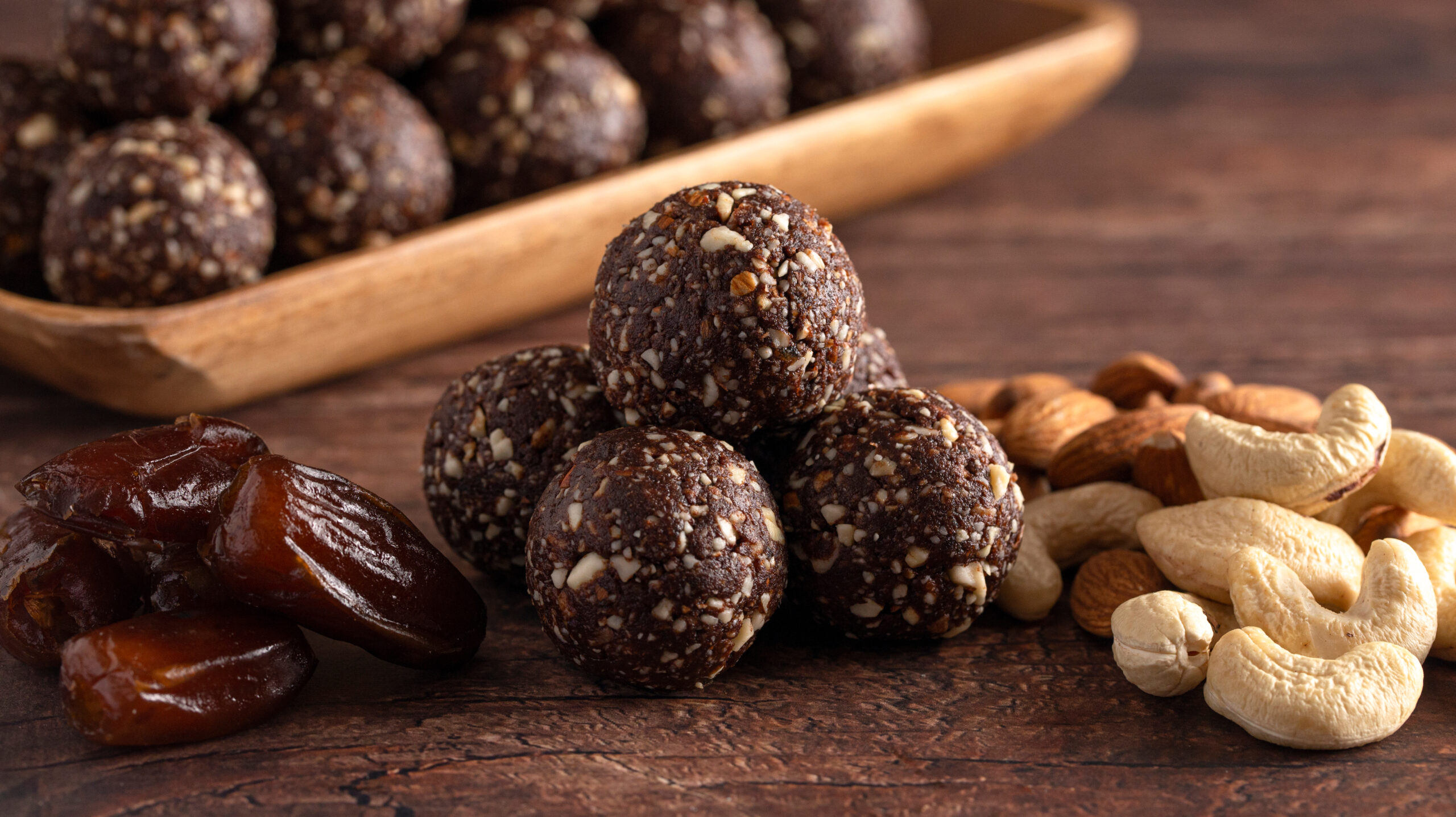
These Healthy Passover Energy Bites are a simple no-bake recipe made with nutritious ingredients such as nuts, coconut, cocoa, and honey. They are naturally gluten-free, satisfying, and perfect for Pesach.

Even better, many of the ingredients used in this recipe can be found in the natural foods section at KosherVitamins.com, making it easy to prepare a wholesome Passover treat.

Why Energy Bites Are Perfect for Passover

Energy bites are a popular healthy snack because they are:

  • Quick to prepare
  • No baking required
  • Made with simple whole ingredients
  • Naturally satisfying
  • Easy to store in the refrigerator

They also make a great afternoon snack, dessert alternative, or quick boost of energy during the busy days of Passover preparation.

Healthy Passover Energy Bites Recipe

Ingredients

  • 1 cup almond flour
  • ½ cup natural almond butter
  • 2 tablespoons honey
  • 2 tablespoons coconut oil (melted)
  • 2 tablespoons unsweetened cocoa powder
  • ¼ cup chopped walnuts or almonds
  • ¼ cup shredded coconut
  • Optional: pinch of sea salt or cinnamon

All ingredients should be Kosher for Passover certified when required.

Instructions

  1. In a mixing bowl, combine the almond flour, cocoa powder, and shredded coconut.
  2. Add almond butter, honey, and melted coconut oil.
  3. Stir until the mixture forms a thick dough.
  4. Fold in the chopped nuts.
  5. Roll the mixture into small balls (about 1 inch in size).
  6. Place the bites on a tray and refrigerate for 30 minutes to firm up.
  7. Store in an airtight container in the refrigerator for up to one week.

Optional Flavor Variations

You can easily customize these energy bites depending on your taste preferences.

Chocolate Coconut

Add extra shredded coconut and cocoa powder.

Cinnamon Almond

Add ½ teaspoon cinnamon for a warm Pesach flavor.

Nutty Crunch

Add chopped pecans, almonds, or pistachios.

Nutritional Benefits of the Ingredients

These bites are not just tasty—they include several ingredients known for their nutritional value.

Almond Flour

Almond flour provides healthy fats, protein, and vitamin E.

Coconut Oil

Coconut oil contains medium-chain triglycerides that can help support energy.

Cocoa Powder

Cocoa contains natural antioxidants and a rich chocolate flavor without added sugar.

Nuts

Nuts provide healthy fats, fiber, and plant-based protein.

Together, these ingredients create a snack that is both satisfying and nourishing.

Perfect for Passover Snacking

During Passover, many snack options become limited due to the avoidance of chametz. These energy bites provide a convenient homemade snack made from simple ingredients that can easily be adapted for Pesach.

They are perfect for:

  • Afternoon snacks
  • Quick dessert alternatives
  • Holiday guests
  • Lunchbox treats during Chol Hamoed

Ingredients Available at KosherVitamins.com

Many natural food ingredients used in recipes like this can often be found at KosherVitamins.com, including:

Choosing high-quality ingredients can help make your Passover recipes both delicious and wholesome.

Passover is a time for tradition, family gatherings, and special foods. Adding simple recipes like Healthy Passover Energy Bites can bring a nutritious option to the holiday table without requiring complicated preparation.

With just a few wholesome ingredients and no baking required, these bites are a quick and satisfying snack perfect for Pesach.

Autumn,Apple,Rounds,With,Peanut,Butter,,Chocolate,Chips,And,Nuts,

10 Healthy Kosher for Passover Snacks You Can Make in 10 Minutes

Quick Pesach Snacks Using Simple Ingredients

Passover Snacks

During Passover, snack options can feel limited because foods containing chametz are avoided. But with a few wholesome ingredients, it’s easy to prepare quick and satisfying snacks that are both Kosher for Passover and nutritious.

Below are 10 simple snack ideas you can prepare in about 10 minutes, many using natural ingredients commonly found in the healthy foods section of KosherVitamins.com.

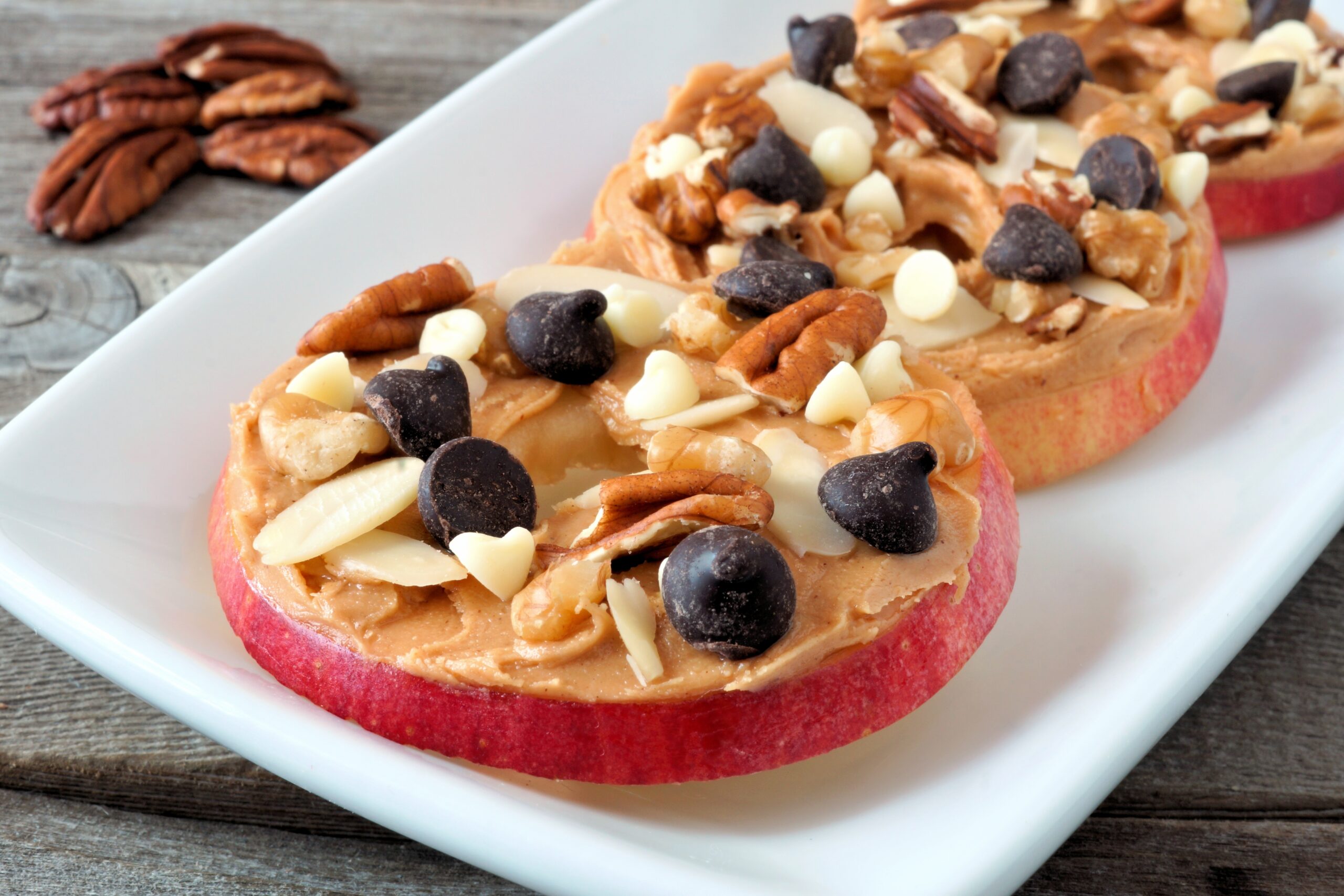
1. Almond Butter Apple Slices

A quick and satisfying snack with protein and fiber.

Ingredients

Spread almond butter over apple slices for a sweet and crunchy treat.

2. Dark Chocolate Nut Clusters

A quick no-bake Passover dessert.

Ingredients

Melt chocolate with coconut oil, mix in nuts, scoop onto parchment paper, and refrigerate for a few minutes.

3. Coconut Energy Bites

These are simple no-bake snack balls.

Ingredients

Mix ingredients together, roll into small balls, and chill.

4. Avocado with Sea Salt

A healthy fat snack that takes only seconds.

Ingredients

  • Fresh avocado
  • Sea salt
  • Optional: squeeze of lemon

Slice the avocado and sprinkle with salt.

5. Yogurt with Honey and Nuts

A creamy and satisfying snack.

Ingredients

  • Plain yogurt
  • Honey
  • Chopped almonds or walnuts

Stir together and enjoy.

6. Fresh Berry Bowl

A refreshing snack rich in antioxidants.

Ingredients

  • Strawberries
  • Blueberries
  • Raspberries
  • Optional drizzle of honey

Simply rinse and serve.

7. Nut and Coconut Trail Mix

A homemade Pesach-friendly trail mix.

Ingredients

Mix together in a bowl for a crunchy snack.

8. Chocolate Banana Bites

A fun snack that feels like dessert.

Ingredients

  • Banana slices
  • Melted dark chocolate

Dip banana slices in chocolate and chill briefly.

9. Smoothie with Collagen

A nutritious snack drink.

Ingredients

Blend until smooth.

10. Almond Flour Mug Cake

A quick Passover-friendly treat.

Ingredients

Mix ingredients in a mug and microwave for about 60–90 seconds.

Healthy Ingredients Often Used in Passover Snacks

Many Pesach snack recipes use simple ingredients such as:

Many of these ingredients are available through KosherVitamins.com, where consumers can find natural food products and supplements that meet kosher dietary standards.

Tips for Healthy Snacking During Passover

Choose Whole Ingredients

Fresh fruit, nuts, and natural foods are excellent Pesach snack options.

Keep Snacks Simple

Recipes with fewer ingredients are easier to verify as Kosher for Passover.

Balance Protein and Healthy Fats

Nuts, yogurt can help keep you satisfied between meals.

Prepare Snacks in Advance

Making snacks ahead of time can make busy Passover days easier.

Final Thoughts

Even during Passover, it’s easy to enjoy quick, healthy snacks made from wholesome ingredients. With just a few simple foods like nuts, fruit, coconut, and dark chocolate, you can prepare delicious snacks in minutes.

These ideas help make Pesach snacking simple, nutritious, and delicious.


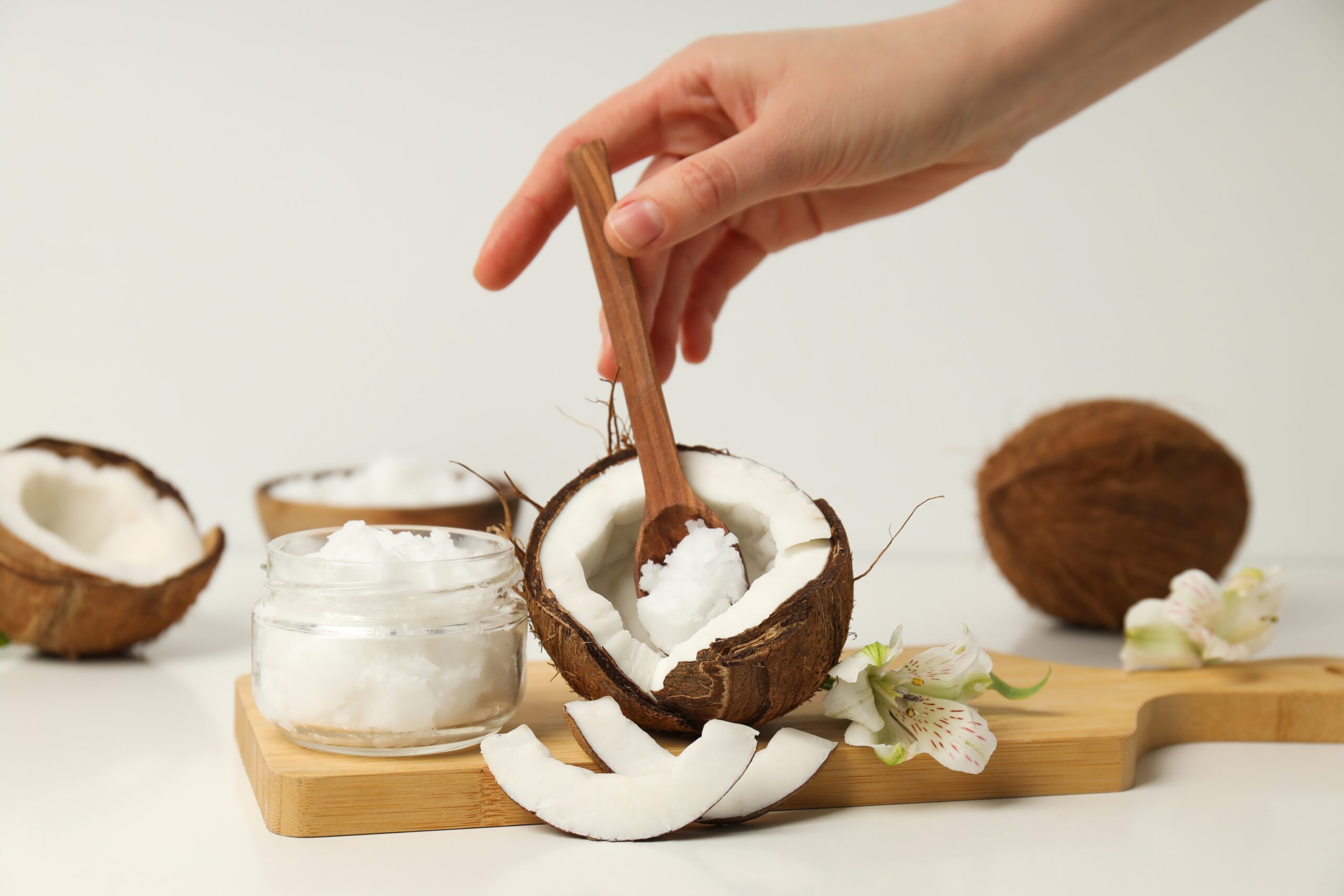
Concept,Of,Body,Care,With,Coconut,And,Coconut,Oil

Shea Butter vs. Coconut Oil vs. Cocoa Butter

A Practical Guide to Choosing the Right Natural Moisturizer

Natural, plant-based moisturizers are staples in clean skincare. But while shea butter, coconut oil, and cocoa butter are often grouped together, they behave very differently on the skin.

If you’re building a simple, ingredient-conscious routine, here’s how they compare — and which one may work best for you.


What Is Shea Butter?

Shea butter is extracted from the nuts of the African shea tree. It has a thick, creamy consistency that melts upon contact with skin.

Why People Choose Shea Butter

  • Deep, long-lasting moisture
  • Softens rough, dry areas
  • Suitable for sensitive skin
  • Mild natural scent

Shea butter is ideal for:

  • Heels, elbows, and knees
  • Winter dryness
  • Extra hydration after showers

 See our selection of pure shea butter here.


What Is Coconut Oil?

Coconut oil is derived from coconut meat and is widely used in both food and skincare.

Why People Choose Coconut Oil

  • Lightweight compared to butters
  • Spreads easily
  • Absorbs relatively quickly
  • Pleasant natural aroma

Best for:

  • Daily body moisturizing
  • Massage
  • Hair conditioning

Note: Coconut oil may feel heavy on acne-prone facial skin.

 See our selection of coconut oil here. 


What Is Cocoa Butter?

Cocoa butter is extracted from cocoa beans. It has a firm, waxy texture and a natural chocolate aroma.

Why People Choose Cocoa Butter

  • Creates a protective moisture barrier
  • Excellent for sealing in hydration
  • Very stable and long-lasting

Best for:

  • Very dry skin
  • Stretch-prone areas
  • Cold-weather skin protection

Because it absorbs slowly, cocoa butter works well as a finishing layer.


Quick Comparison Chart

FeatureShea ButterCoconut OilCocoa Butter
TextureThick & creamyLight & smoothFirm & dense
AbsorptionModerateFasterSlower
ScentMildCoconutChocolate
Best UseDeep hydrationEveryday moistureMoisture sealing
Hair UseYesYesLimited

Which One Is Best for You?

Choose Shea Butter if:

You need intensive moisture and skin softening.

Choose Coconut Oil if:

You want lighter daily hydration or hair conditioning.

Choose Cocoa Butter if:

You want to lock in moisture and protect skin in colder climates.

Some people combine them to customize texture and absorption.


A Note for Ingredient-Conscious Consumers

At KosherVitamins.com, many of our customers look for:

  • Simple ingredient lists
  • Clean processing methods
  • Minimal additives
  • Plant-based personal care

While these products are cosmetic and not ingestible supplements, ingredient transparency still matters.


Final Thoughts

Shea butter, coconut oil, and cocoa butter each serve different purposes in skincare. Understanding texture, absorption rate, and intended use will help you select the right one for your routine.

If you’re looking for deep hydration with minimal ingredients, shea butter is often the most versatile starting point.

 Explore our natural skincare collection here.


Cosmetic Disclaimer

This article is for informational purposes only. These products are cosmetic in nature and are not intended to diagnose, treat, cure, or prevent any disease.
Elegant,Red,Wine,Service,In,Fine,Dining

Wine on Purim: Benefits, Risks & Smart Recovery

Purim is a day of joy and celebration. Wine plays a traditional role in the mitzvah of the day. While moderate wine consumption may offer certain benefits, overconsumption can stress the body significantly.

Understanding both sides — and knowing how to recover properly — allows you to celebrate responsibly and return to routine quickly.

 Potential Benefits of Moderate Wine Consumption:

Red wine contains naturally occurring compounds such as:

✔ Resveratrol

A polyphenol found in grape skins with antioxidant activity.

✔ Flavonoids

Plant compounds that may support cardiovascular health.

✔ Circulatory Support

Some research suggests small amounts of red wine may support heart health in certain adults.

Key word: moderate.
Excess eliminates potential benefits and introduces risk.

Alcohol affects nearly every system:

  • Liver stress
  • Dehydration & electrolyte loss
  • Blood sugar fluctuations
  • Sleep disruption
  • Cognitive impairment
  • Increased inflammation

Even one night of excess drinking can leave you with:

  • Headache
  • Brain fog
  • Fatigue
  • Irritability
  • Digestive discomfort

 Who Should Not Be Drinking?

Avoid alcohol if you:

  • Are pregnant or trying to conceive
  • Have liver disease
  • Take sedatives, opioids, or certain antidepressants
  • Have uncontrolled diabetes
  • Have a history of addiction
  • Are under 21

When unsure, consult your physician.

What Not To Do Under the Influence:

Never:

  • Drive
  • Operate machinery
  • Climb ladders
  • Make financial decisions
  • Supervise small children alone

Impairment begins before you “feel” drunk.

The Morning After: How to Recover Properly:

Here is where preparation and smart supplementation make a difference.

 1. Rehydrate Immediately

Alcohol increases fluid loss and depletes:

  • Sodium
  • Potassium
  • Magnesium

Support Strategy:

  • Water first thing in the morning
  • Electrolyte formulas to support hydration balance

Electrolytes can help restore fluid balance and reduce fatigue associated with dehydration.


2. Replenish B Vitamins

Alcohol metabolism uses significant amounts of:

  • B1 (Thiamine)
  • B6
  • B12
  • Folate

Support Strategy:
A quality B-Complex formula may help support:

  • Energy production
  • Nervous system function
  • Cognitive clarity

This is particularly helpful after sleep disruption.


3. Liver & Antioxidant Support

The liver works hard processing alcohol.

Nutrients commonly used to support healthy liver function include:

  • Milk Thistle
  • N-Acetyl Cysteine (NAC)
  • Vitamin C
  • Antioxidant blends

These ingredients support normal detoxification pathways and help combat oxidative stress.


4. Restore Sleep & Calm

Alcohol disrupts REM sleep and can increase next-day irritability.

Support may include:

  • Magnesium
  • Gentle relaxation nutrients
  • Proper hydration
  • Early bedtime the following night

Magnesium may help support muscle relaxation and nervous system balance.


5. Eat Light & Balanced

Focus on:

  • Protein
  • Healthy fats
  • Fiber
  • Fresh fruits and vegetables

Avoid heavy sugar the next morning — it can worsen the crash.


The Bottom Line

Purim is about joy, not harming your health.

Moderate wine may have certain antioxidant compounds, but excess alcohol places real strain on the body.

With proper hydration, nutrient replenishment, and smart recovery strategies, you can celebrate responsibly and feel functional the next day.

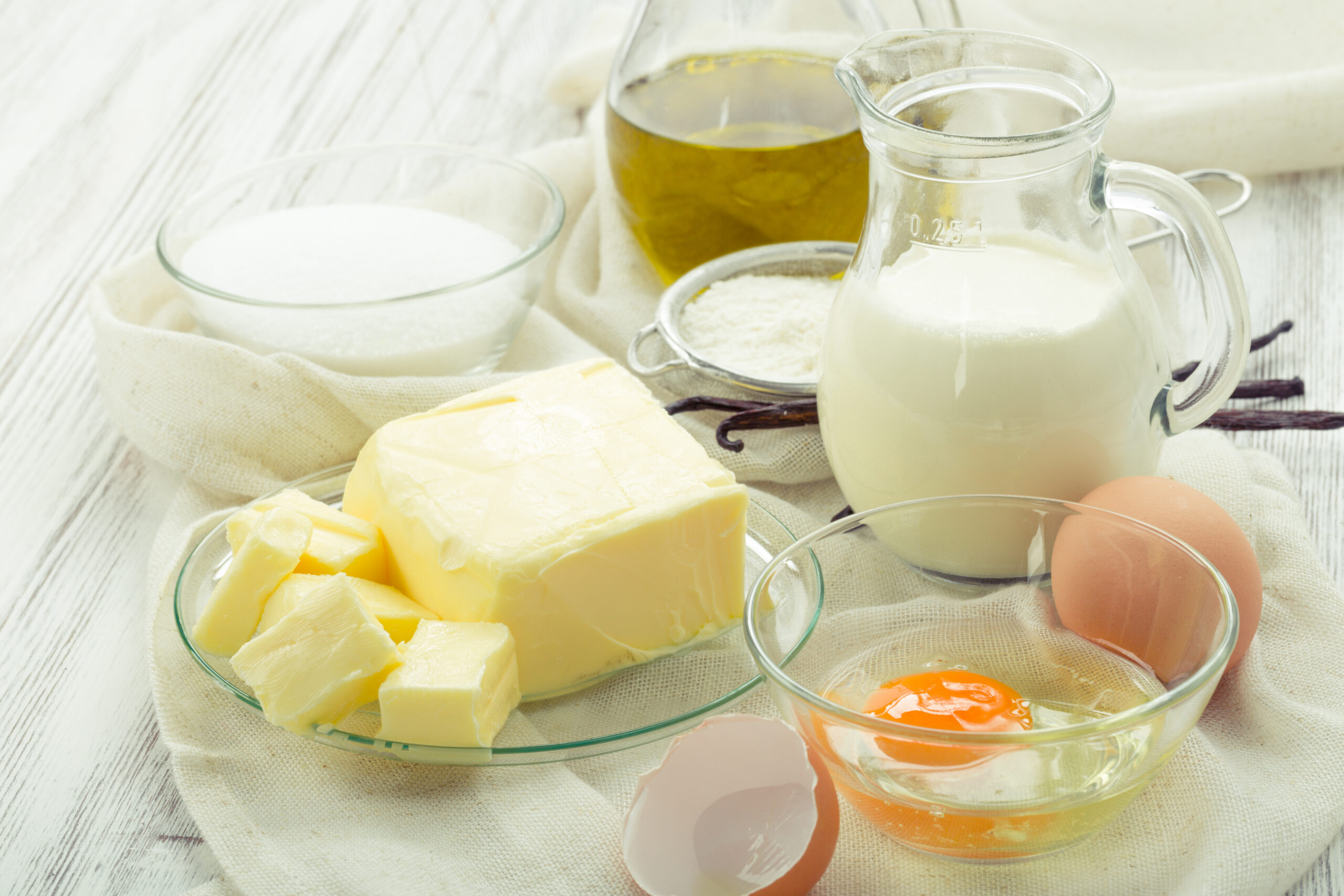
Baking,Ingredients,Eggs,,Flour,,Sugar,,Butter,,Vanilla,,Cream,On,A

Delicious Passover Baking Recipes: Cakes, Cookies, and Muffins

Passover may come with dietary restrictions, but that doesn’t mean you have to miss out on delicious baked goods! With the right flour alternatives, you can enjoy moist cakes, flavorful cookies, and fluffy muffins while keeping everything kosher for Passover. Here are some fantastic recipes featuring Passover-friendly flours.


1. Almond Flour Chocolate Chip Cookies

These soft and chewy cookies are packed with chocolatey goodness and made entirely with Passover-approved ingredients.

Ingredients:

Instructions:

  1. Preheat your oven to 350°F and line a baking sheet with parchment paper.
  2. In a bowl, mix almond flour, baking soda, and salt.
  3. Add melted coconut oil, honey, and vanilla extract. Stir until combined.
  4. Fold in the chocolate chips.
  5. Scoop small portions of dough onto the baking sheet and flatten slightly.
  6. Bake for 10-12 minutes or until the edges are golden brown.
  7. Let cool and enjoy!

2. Coconut Flour Passover Banana Muffins

Moist and naturally sweet, these muffins are a great breakfast or snack option during Passover.

Ingredients:

Instructions:

  1. Preheat oven to 350°F and line a muffin tin with paper liners.
  2. In a bowl, whisk together mashed bananas, eggs, honey, vanilla, and melted coconut oil.
  3. Add coconut flour, baking soda, and salt. Stir until well combined.
  4. Pour the batter evenly into the muffin cups.
  5. Bake for 18-22 minutes, or until a toothpick comes out clean.
  6. Allow to cool and enjoy!

3. Cassava Flour Passover Chocolate Cake

This rich, decadent chocolate cake is perfect for Passover celebrations.

Ingredients:

Instructions:

  1. Preheat oven to 350°F and grease an 8-inch cake pan.
  2. In a large bowl, mix cassava flour, cocoa powder, baking soda, and salt.
  3. In another bowl, whisk together eggs, honey, melted coconut oil, vanilla extract, and almond milk.
  4. Gradually add the wet ingredients to the dry ingredients, stirring until smooth.
  5. Pour batter into the prepared cake pan and bake for 25-30 minutes, or until a toothpick comes out clean.
  6. Let cool, then serve and enjoy!

Tips for Passover Baking Success

  • Always use certified kosher-for-Passover ingredients to ensure compliance with dietary laws.
  • Coconut flour absorbs a lot of moisture, so adjust liquid ingredients as needed.
  • Store your baked goods in an airtight container to maintain freshness.

Enjoy these Passover-friendly baking recipes and make the holiday even sweeter!

Shop Kosher-for-Passover Baking Essentials Here

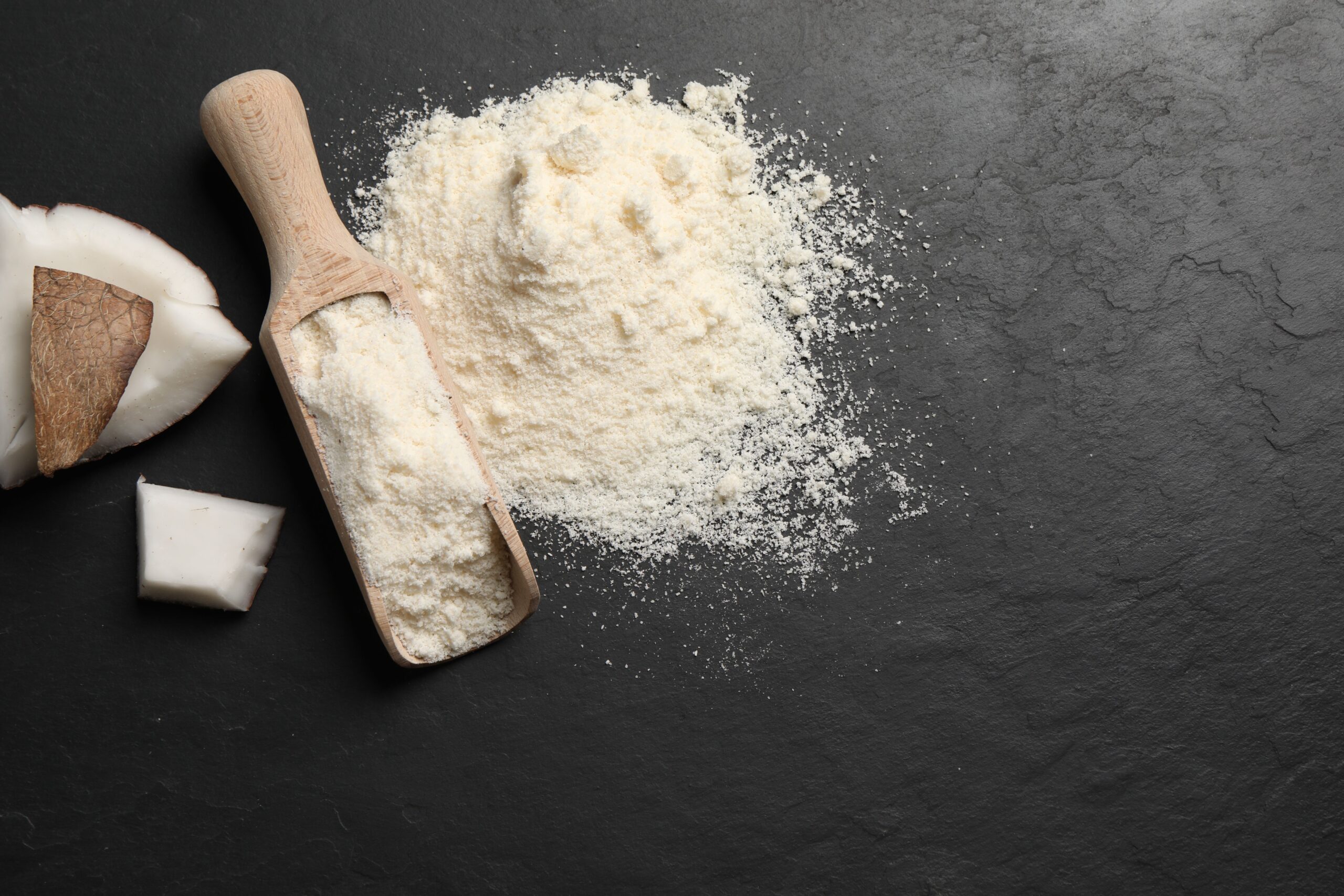
Organic,Coconut,Flour,And,Fresh,Fruits,On,Black,Table,,Flat

The Best Flours for Passover Cooking and Baking


Passover presents a unique challenge for baking and cooking, as traditional leavened flours are off-limits. However, a variety of kosher-for-Passover flour alternatives can be used to create delicious baked goods and meals while adhering to dietary laws. Below is a guide to the best Passover-friendly flours and how they can be incorporated into your recipes.

1. Matzah Meal

      • Matzah Meal is made from ground matzah and has a coarse texture, making it ideal for recipes like matzah balls, kugels, and breading for fried foods.

    Shop Matzah Meal Here:

    2. Almond Flours

    Nut flours, especially almond flour, have gained popularity as an excellent Passover baking ingredient. Almond flour adds moisture and a rich, nutty flavor to cakes, cookies, and even crusts for pies.

    Shop Almond Flour Here

    3. Coconut Flour

    Coconut flour is another grain-free, kosher-for-Passover alternative that enhances texture and flavor. Since coconut flour absorbs more moisture than traditional flour, it requires additional eggs or liquids to balance the recipe.

    Shop Coconut Flour Here

    4. Cassava Flour

    Cassava flour, derived from the cassava root, is a versatile gluten-free alternative. It works well in both sweet and savory dishes, making it a fantastic addition to any Passover kitchen.

    Shop Cassava Flour Here

    5. Quinoa Flour

    Quinoa flour is a protein-rich, gluten-free alternative that works well for baking and thickening sauces. It has a mild, slightly nutty flavor, making it a great choice for both sweet and savory recipes.

    Shop Quinoa Flour Here:

    6. Specialty Kosher-for-Passover Flour Blends

    For those looking for a ready-to-use flour alternative, specialty blends such as Rorie’s Grain-Free Flour Blend are formulated to mimic all-purpose flour while remaining kosher for Passover. These blends are free from gluten, sugar, potato, and tapioca starch, making them a great option for health-conscious individuals.

    Shop Specialty Passover Flour Blends Here:

    Tips for Successful Passover Baking

        • Always check that the flour you choose is certified kosher for Passover to ensure it meets dietary guidelines.

        • Different flours have unique properties; for example, coconut flour absorbs more liquid than other flours, so adjustments may be necessary.

        • Experiment with combinations of different flours to achieve the desired taste and texture.

      By selecting the right Passover flour alternative, you can continue enjoying delicious baked goods and home-cooked meals throughout the holiday. Browse our collection of Kosher-for-Passover baking essentials to stock up on all your Passover cooking needs!

      Shop Kosher for Passover Baking Essentials Here

      A,Newborn,Baby,Sleeps,Sweetly,Holding,A,Toy,In,His

      Navigating Melatonin: Exploring Safety, Benefits, and Alternatives for Better Sleep

      Introduction: In the quest for a good night’s sleep, many turn to melatonin, a hormone that plays a crucial role in regulating sleep-wake cycles. As its popularity grows, questions arise about its safety, effectiveness, and suitability for various age groups. In this comprehensive blog, we’ll delve into the world of melatonin, addressing its safety profile, potential benefits, usage for children, alternatives for both kids and adults, and exploring other sleep supplements as alternatives to melatonin.

      Melatonin Safety: Melatonin is generally considered safe for short-term use in adults. However, it’s important to exercise caution and consult a healthcare professional before incorporating any supplement into your routine. Dosage, timing, and potential interactions with medications should be carefully evaluated. Please note that the U.S. Food and Drug Administration (FDA) does not regulate the safety or effectiveness of dietary supplements like melatonin and others.

      Benefits of Melatonin: The following information was put out by The National Institutes of Health (NIH) “Melatonin is a hormone that your brain produces in response to darkness. It helps with the timing of your circadian rhythms (24-hour internal clock) and with sleep. Being exposed to light at night can block melatonin production. Melatonin supplements may help with certain conditions, such as jet lag, delayed sleep-wake phase disorder, some sleep disorders in children, and anxiety before and after surgery. Research suggests that melatonin plays other important roles in the body beyond sleep. However, these effects are not fully understood.”

      Is Melatonin Safe for Kids? The safety of melatonin for children remains a topic of discussion. Before introducing melatonin or any supplement to a child’s regimen, consult a pediatrician. Understanding the underlying causes of a child’s sleep issues is essential, as melatonin might not address the root problem.

      Melatonin Alternatives for Kids: If you’re hesitant about melatonin for your child, consider these alternatives:

      • Consistent Bedtime Routine: Establish a calming and consistent pre-sleep routine to signal to the body that it’s time to wind down.
      • Limit Screen Time: Reduce exposure to screens before bedtime, as the blue light emitted can interfere with the body’s natural sleep signals.
      • Relaxation Techniques: Teach your child relaxation exercises like deep breathing or gentle stretches to help induce sleepiness.

      Melatonin Alternatives for Adults: For adults exploring options beyond melatonin, consider these alternatives:

      • Valerian Root: A herbal supplement known for its relaxation-inducing properties.
      • Chamomile Tea: A warm cup of chamomile tea before bed can have a calming effect and promote relaxation.
      • Magnesium: Adequate magnesium intake is linked to improved sleep quality. Incorporate magnesium-rich foods or supplements as needed.
      • Lifestyle Changes: Adopting healthier lifestyle habits, such as balanced diet, regular exercise, and stress management, can significantly impact sleep.

      Sleep Supplements Alternatives to Melatonin: If you’re looking for alternative sleep supplements:

      • L-Theanine: An amino acid found in tea leaves, known for its calming effects on the mind.
      • GABA: A neurotransmitter that promotes relaxation and is linked to better sleep.
      • 5-HTP: A precursor to serotonin, potentially aiding in mood regulation and sleep improvement.

      Conclusion: Melatonin, as a sleep aid, presents potential benefits and considerations. Approach its usage with careful consideration, consulting healthcare professionals as needed. Remember that sleep issues are complex, and a holistic approach is often the most effective. Whether it’s establishing a bedtime routine, limiting screen time, or exploring alternative supplements, the journey to better sleep involves personalized strategies. Prioritize well-informed decisions, guided by professional advice, to enhance your sleep quality and overall well-being.

      Mastering Summer Wellness: Expert Dietitian Tips for Staying Healthy, Even on Vacation

      Introduction: The sun-drenched days of summer bring not only warmth and joy but also the temptation to indulge in decadent treats that can lead to unwanted weight gain. Whether you’re lounging by the beach or exploring new destinations, staying on top of your health goals during vacation doesn’t have to feel like a Herculean task. We’ve collaborated with seasoned dietitians to offer you a comprehensive guide to maintaining your well-being while soaking up the sun. From navigating vacation indulgences to incorporating healthy snacks, these expert tips will help you make the most of your summer getaway.

      1. Prioritize Mindful Choices: When dining out on vacation, make it a point to choose your meals wisely. Opt for grilled or roasted protein options, plenty of veggies, and whole grains whenever possible. Don’t hesitate to ask for modifications, such as dressing on the side or substituting fried sides with steamed vegetables.

      2. Active Exploration: Exploring new destinations provides an opportunity to stay active. Choose activities that align with your fitness preferences, whether it’s hiking, swimming, cycling, or simply walking to discover local attractions. Staying active not only burns calories but also enhances your overall vacation experience.

      3. Healthy Snacking on the Go: Packing a variety of nutritious snacks can help you avoid giving in to unhealthy temptations when hunger strikes. Fill your travel bag with portable options like mixed nuts, cut-up fruits, whole-grain crackers, and protein bars. These snacks provide a balance of protein, fiber, and healthy fats to keep you satisfied between meals.

      4. Hydration is Key: Especially in warmer climates, staying hydrated is crucial. Carry a reusable water bottle and aim to drink water consistently throughout the day. If you’re indulging in alcoholic beverages, alternate with glasses of water to prevent dehydration and overconsumption of empty calories.

      5. Make Smart Beverage Choices: Summer vacations often involve a variety of drinks, some of which can be calorie-laden. Opt for lighter options such as cocktails made with fresh fruit juices or mocktails without added sugars. Herbal teas and infused water are also excellent choices to quench your thirst without added calories.

      6. Create a Balanced Plate: Dietitians recommend using the “plate method” when building your meals. Fill half your plate with vegetables, one-quarter with lean protein, and one-quarter with whole grains. This approach ensures you’re getting a variety of nutrients without overindulging in calorie-dense foods.

      7. Indulge Mindfully: Vacations are meant to be enjoyed, and that includes savoring local delicacies or treats. The key is moderation and mindfulness. Allow yourself to indulge in your favorite treat or dessert, but do so consciously. Share with a friend or savor a small portion to satisfy your cravings without derailing your progress.

      8. Plan Active Excursions: Incorporate physically engaging activities into your vacation plans. Consider renting bicycles, signing up for a snorkeling tour, or taking a guided hike. These activities not only burn calories but also create memorable experiences.

      Conclusion: Summer vacations are an opportunity to rejuvenate, explore, and enjoy life to the fullest. By incorporating these expert dietitian tips into your travel routine, you can strike a balance between indulgence and wellness. From mindful eating to staying active, these strategies will help you navigate your vacation with confidence, ensuring you return feeling refreshed, revitalized, and proud of your commitment to your health. So pack your bags, embark on your adventure, and make this summer vacation a memorable chapter in your wellness journey.

      Group,Of,Gummy,Supplements,With,Multivitamins,And,A,Bottle,For

      Navigating Kosher Gummy Vitamins: Prioritizing Essential Nutrients

      Introduction:

      Gummy vitamins have become increasingly popular due to their appealing taste and texture, making them an enjoyable way to supplement your diet with essential nutrients. However, it’s essential to recognize the potential pitfalls associated with gummy vitamins, including limitations in nutritional content and the presence of sugar, food additives, and low-quality and low-dosage nutrients. In this blog post, we’ll explore these concerns to provide a comprehensive understanding of gummy vitamins. we’ll explore the key considerations when selecting kosher gummy vitamins, including the choice between kosher gelatin and kosher pectin, the importance of checking the ingredient list, and the pros and cons of gummy vitamins.

      1. Essential Nutrients Matter Most:

      When choosing any type of vitamin supplement, the most critical factor is ensuring that it provides the essential nutrients your body needs. Look for kosher gummy vitamins that contain a well-rounded combination of vitamins and minerals, such as vitamin C, vitamin D, B vitamins, calcium, and iron. Prioritize the nutritional content to support your overall health and well-being. The first aspect to grasp about gummy vitamins is their restricted ability to contain significant amounts of nutritional compounds. The gummy format imposes size and volume limitations, which restrict the quantity of nutrients that can be included. Consequently, gummies cannot provide the same level of nutritional compounds as other supplement forms.

      1. Kosher Gelatin or Kosher Pectin?

      a) Kosher Gelatin: Traditional gummy vitamins are often made with gelatin derived from animal sources, typically pork or beef. However, kosher gelatin is sourced from kosher slaughtered and processed bovine sources or mostly kosher species of fish.

      b) Kosher Pectin: Pectin is a plant-based alternative to gelatin that is derived from fruits, usually citrus peels or apples. Kosher pectin is a vegan-friendly option that provides an alternative for individuals who follow a kosher diet but prefer to avoid animal-derived ingredients. It’s important to note that not all kosher gummy vitamins are pectin-based, so check the label to confirm the specific ingredients used.

      1. Check the Ingredient List and the amounts:

      Always review the ingredient list of gummy vitamins, even if they are labeled as kosher. Look for kosher certifications, such as a symbol or seal from a reliable kosher certification agency, to ensure the product meets the necessary standards. Additionally, be mindful of any potential allergens or additives that may not align with your dietary needs or preferences.

      1. Limited Nutritional Content:

      Gummy vitamins are constrained in terms of the amount and variety of nutritional compounds they can provide. Their size and volume limitations prevent them from containing significant levels of nutrients, particularly major minerals and certain nutritional compounds that require higher dosages for optimal efficacy. This can result in a lower overall nutritional value compared to other supplement forms.

      1. High Sugar Content:

      One common concern with gummy vitamins is their potential high sugar content. To enhance taste and make them more appealing, gummy vitamins often contain added sugars or sweeteners. Excessive sugar consumption can have negative effects on overall health, including increased risk of weight gain, tooth decay, and blood sugar imbalances. It’s important to check the nutrition label and choose gummy vitamins with lower sugar content or consider sugar-free alternatives. Please note that there are now brands that offer Sugar-Free gummies.

      1. Food Additives:

      Gummy vitamins may also contain various food additives, such as artificial flavors, colors, and preservatives. These additives are used to improve the taste, appearance, and shelf life of the gummies. However, some individuals may be sensitive to certain additives or prefer to avoid them due to potential health concerns. Reading the ingredient list and opting for gummy vitamins with minimal additives can help mitigate these concerns.

      1. Gummy Vitamin Pros and Cons:

      Pros:

      • Enjoyable and easy to consume, making them suitable for those who have difficulty swallowing pills or tablets.
      • Pleasant taste and texture can make taking daily vitamins more enjoyable, especially for children.
      • Can serve as a convenient alternative for individuals who struggle with the taste of liquid or chewable tablets.

      Cons:

      • Gummy vitamins may contain added sugars or sweeteners, so be mindful of your overall sugar intake.
      • The texture and taste may not be appealing to everyone.
      • Some gummy vitamins may not provide the same nutrient potency as their pill or tablet counterparts.

      Conclusion:

      While gummy vitamins offer a convenient and enjoyable way to supplement your diet with certain nutrients, it’s crucial to be aware of their potential pitfalls. Gummies may have limited nutritional content, high sugar content, and the presence of food additives. Additionally, the quality and dosage of nutrients can vary. When choosing gummy vitamins, prioritize options with higher nutrient quality, lower sugar content, and minimal additives. It’s advisable to consult with a healthcare professional or registered dietitian to ensure your chosen gummy vitamins align with your individual dietary needs and health goals.