![310590701_421166140142246_8338605735780738422_n [Converted]](https://koshervitaminsblog.com/wp-content/uploads/2023/05/310590701_421166140142246_8338605735780738422_n-Converted.png)
A Practical Guide to Choosing the Right Natural Moisturizer
Natural, plant-based moisturizers are staples in clean skincare. But while shea butter, coconut oil, and cocoa butter are often grouped together, they behave very differently on the skin.
If you’re building a simple, ingredient-conscious routine, here’s how they compare — and which one may work best for you.
What Is Shea Butter?
Shea butter is extracted from the nuts of the African shea tree. It has a thick, creamy consistency that melts upon contact with skin.
Why People Choose Shea Butter
- Deep, long-lasting moisture
- Softens rough, dry areas
- Suitable for sensitive skin
- Mild natural scent
Shea butter is ideal for:
- Heels, elbows, and knees
- Winter dryness
- Extra hydration after showers
See our selection of pure shea butter here.
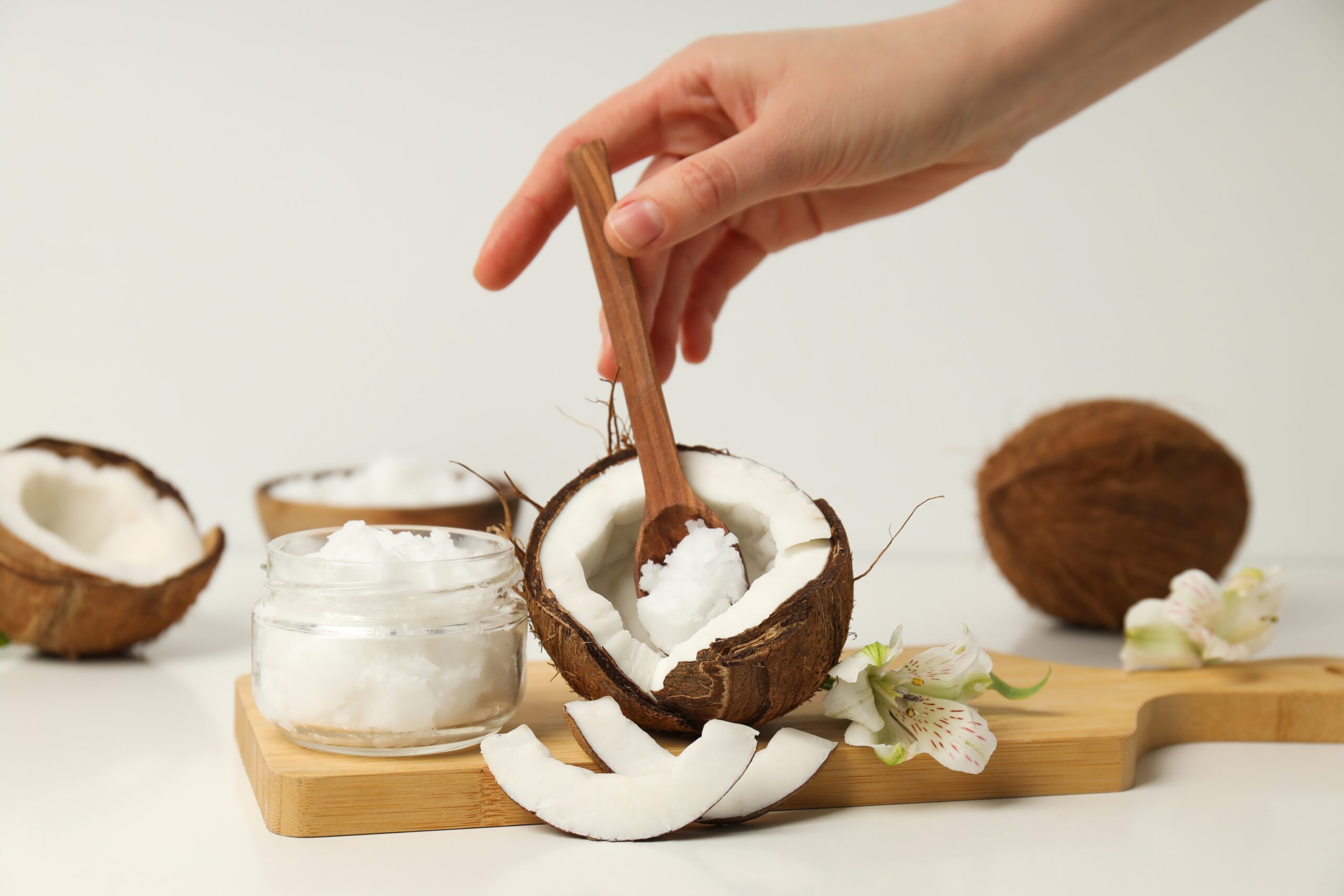
What Is Coconut Oil?
Coconut oil is derived from coconut meat and is widely used in both food and skincare.
Why People Choose Coconut Oil
- Lightweight compared to butters
- Spreads easily
- Absorbs relatively quickly
- Pleasant natural aroma
Best for:
- Daily body moisturizing
- Massage
- Hair conditioning
Note: Coconut oil may feel heavy on acne-prone facial skin.
See our selection of coconut oil here.
What Is Cocoa Butter?
Cocoa butter is extracted from cocoa beans. It has a firm, waxy texture and a natural chocolate aroma.
Why People Choose Cocoa Butter
- Creates a protective moisture barrier
- Excellent for sealing in hydration
- Very stable and long-lasting
Best for:
- Very dry skin
- Stretch-prone areas
- Cold-weather skin protection
Because it absorbs slowly, cocoa butter works well as a finishing layer.
Quick Comparison Chart
| Feature | Shea Butter | Coconut Oil | Cocoa Butter |
|---|---|---|---|
| Texture | Thick & creamy | Light & smooth | Firm & dense |
| Absorption | Moderate | Faster | Slower |
| Scent | Mild | Coconut | Chocolate |
| Best Use | Deep hydration | Everyday moisture | Moisture sealing |
| Hair Use | Yes | Yes | Limited |
Which One Is Best for You?
Choose Shea Butter if:
You need intensive moisture and skin softening.
Choose Coconut Oil if:
You want lighter daily hydration or hair conditioning.
Choose Cocoa Butter if:
You want to lock in moisture and protect skin in colder climates.
Some people combine them to customize texture and absorption.
A Note for Ingredient-Conscious Consumers
At KosherVitamins.com, many of our customers look for:
- Simple ingredient lists
- Clean processing methods
- Minimal additives
- Plant-based personal care
While these products are cosmetic and not ingestible supplements, ingredient transparency still matters.
Final Thoughts
Shea butter, coconut oil, and cocoa butter each serve different purposes in skincare. Understanding texture, absorption rate, and intended use will help you select the right one for your routine.
If you’re looking for deep hydration with minimal ingredients, shea butter is often the most versatile starting point.
Explore our natural skincare collection here.
Cosmetic Disclaimer
This article is for informational purposes only. These products are cosmetic in nature and are not intended to diagnose, treat, cure, or prevent any disease.