Skincare,Cosmetic,Products,Standing,Against,Gradient,Background

Acne: Causes, Skincare, and Supplements That May Help

Acne is one of the most common skin concerns, affecting both teens and adults. It happens when pores become clogged with oil, dead skin cells, and bacteria, which can lead to inflammation and breakouts.

Common types of acne include whiteheads, blackheads, pimples, and deeper cyst-like bumps. Acne often appears on the face, chest, back, shoulders, and neck.

What Causes Acne?

Acne is usually caused by a mix of factors, including:

Excess oil production
Hormonal changes can cause the skin to produce more oil, which may clog pores.

Clogged pores
Dead skin cells can build up and mix with oil inside the follicle.

Bacteria
A naturally occurring skin bacterium can grow in blocked pores and contribute to inflammation.

Hormonal changes
Breakouts are common during puberty, menstrual cycles, pregnancy, and times of stress.

Diet and lifestyle
Some people notice more breakouts with high sugar diets, refined carbs, dairy, stress, or poor sleep.

Skincare Ingredients That May Help

A simple skincare routine can go a long way in supporting clearer-looking skin.

Acne pads
Acne treatment pads can help cleanse pores, remove excess oil, and gently exfoliate the skin. Many contain ingredients like salicylic acid, glycolic acid, or botanical extracts.

Salicylic acid
Helps unclog pores and reduce blackheads and whiteheads.

Benzoyl peroxide
Targets acne-causing bacteria and helps reduce inflammation.

Retinoids
Support skin cell turnover and may help prevent clogged pores over time.

Supplements That May Support Skin Health

Some people also use nutritional support as part of their routine.

Zinc may help support skin healing and a healthy inflammatory response.
Omega 3 fatty acids may support skin barrier health and overall wellness.
Vitamin A plays a role in skin cell turnover, though high doses should only be taken with professional guidance.
Probiotics may support gut health, which can influence skin health.
Vitamin D supports immune function and overall skin wellness.

Lifestyle Tips for Clearer Skin

A few daily habits can also make a difference:

  • Wash with a gentle cleanser twice daily
  • Avoid picking at pimples
  • Choose non-comedogenic skincare and makeup
  • Manage stress when possible
  • Focus on a balanced diet and good sleep

Final Thoughts

Acne is common, and it often has more than one cause. A balanced approach that includes gentle skincare, healthy habits, and targeted nutritional support may help improve the look of acne-prone skin over time. Consistency matters most.

FDA Disclaimer
These statements have not been evaluated by the Food and Drug Administration. These products are not intended to diagnose, treat, cure, or prevent any disease.
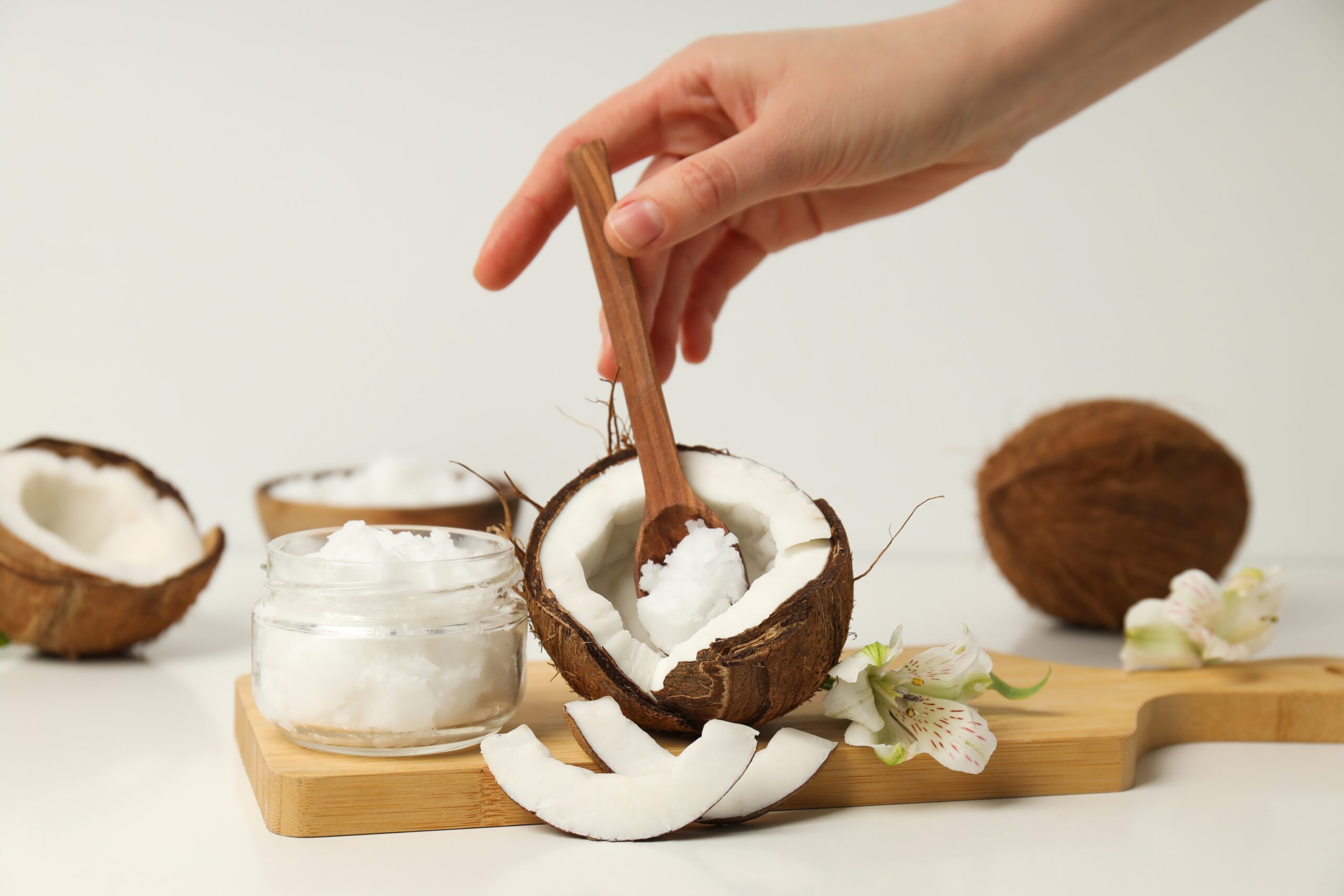
Concept,Of,Body,Care,With,Coconut,And,Coconut,Oil

Shea Butter vs. Coconut Oil vs. Cocoa Butter

A Practical Guide to Choosing the Right Natural Moisturizer

Natural, plant-based moisturizers are staples in clean skincare. But while shea butter, coconut oil, and cocoa butter are often grouped together, they behave very differently on the skin.

If you’re building a simple, ingredient-conscious routine, here’s how they compare — and which one may work best for you.


What Is Shea Butter?

Shea butter is extracted from the nuts of the African shea tree. It has a thick, creamy consistency that melts upon contact with skin.

Why People Choose Shea Butter

  • Deep, long-lasting moisture
  • Softens rough, dry areas
  • Suitable for sensitive skin
  • Mild natural scent

Shea butter is ideal for:

  • Heels, elbows, and knees
  • Winter dryness
  • Extra hydration after showers

 See our selection of pure shea butter here.


What Is Coconut Oil?

Coconut oil is derived from coconut meat and is widely used in both food and skincare.

Why People Choose Coconut Oil

  • Lightweight compared to butters
  • Spreads easily
  • Absorbs relatively quickly
  • Pleasant natural aroma

Best for:

  • Daily body moisturizing
  • Massage
  • Hair conditioning

Note: Coconut oil may feel heavy on acne-prone facial skin.

 See our selection of coconut oil here. 


What Is Cocoa Butter?

Cocoa butter is extracted from cocoa beans. It has a firm, waxy texture and a natural chocolate aroma.

Why People Choose Cocoa Butter

  • Creates a protective moisture barrier
  • Excellent for sealing in hydration
  • Very stable and long-lasting

Best for:

  • Very dry skin
  • Stretch-prone areas
  • Cold-weather skin protection

Because it absorbs slowly, cocoa butter works well as a finishing layer.


Quick Comparison Chart

FeatureShea ButterCoconut OilCocoa Butter
TextureThick & creamyLight & smoothFirm & dense
AbsorptionModerateFasterSlower
ScentMildCoconutChocolate
Best UseDeep hydrationEveryday moistureMoisture sealing
Hair UseYesYesLimited

Which One Is Best for You?

Choose Shea Butter if:

You need intensive moisture and skin softening.

Choose Coconut Oil if:

You want lighter daily hydration or hair conditioning.

Choose Cocoa Butter if:

You want to lock in moisture and protect skin in colder climates.

Some people combine them to customize texture and absorption.


A Note for Ingredient-Conscious Consumers

At KosherVitamins.com, many of our customers look for:

  • Simple ingredient lists
  • Clean processing methods
  • Minimal additives
  • Plant-based personal care

While these products are cosmetic and not ingestible supplements, ingredient transparency still matters.


Final Thoughts

Shea butter, coconut oil, and cocoa butter each serve different purposes in skincare. Understanding texture, absorption rate, and intended use will help you select the right one for your routine.

If you’re looking for deep hydration with minimal ingredients, shea butter is often the most versatile starting point.

 Explore our natural skincare collection here.


Cosmetic Disclaimer

This article is for informational purposes only. These products are cosmetic in nature and are not intended to diagnose, treat, cure, or prevent any disease.