![310590701_421166140142246_8338605735780738422_n [Converted]](https://koshervitaminsblog.com/wp-content/uploads/2023/05/310590701_421166140142246_8338605735780738422_n-Converted.png)
How to Enjoy Pesach Without the “Matzo Weight Gain”
Passover is a beautiful, meaningful time—but nutritionally, it can also be one of the most challenging weeks of the year.
With matzo, potatoes, and heavier meals taking center stage, many people notice a shift in how they feel. Energy dips, digestion slows, and it’s easy to fall into patterns that leave you feeling sluggish or uncomfortable.
The good news is that with a bit of awareness and a few smart choices, you can fully enjoy Passover while still feeling balanced, energized, and in control.
The Passover Challenge
Throughout the year, many people naturally eat a more balanced diet that includes fiber, whole grains, and variety. During Passover, however, eating patterns often shift toward:
- Matzo (refined flour, low in fiber)
- Potatoes and starch-heavy dishes
- Processed kosher-for-Passover snacks
- Rich meats and heavier meals
This combination can lead to:
- Blood sugar spikes followed by crashes
- Slower digestion and bloating
- Increased cravings and overeating
The Most Common Mistakes
Overloading on matzo
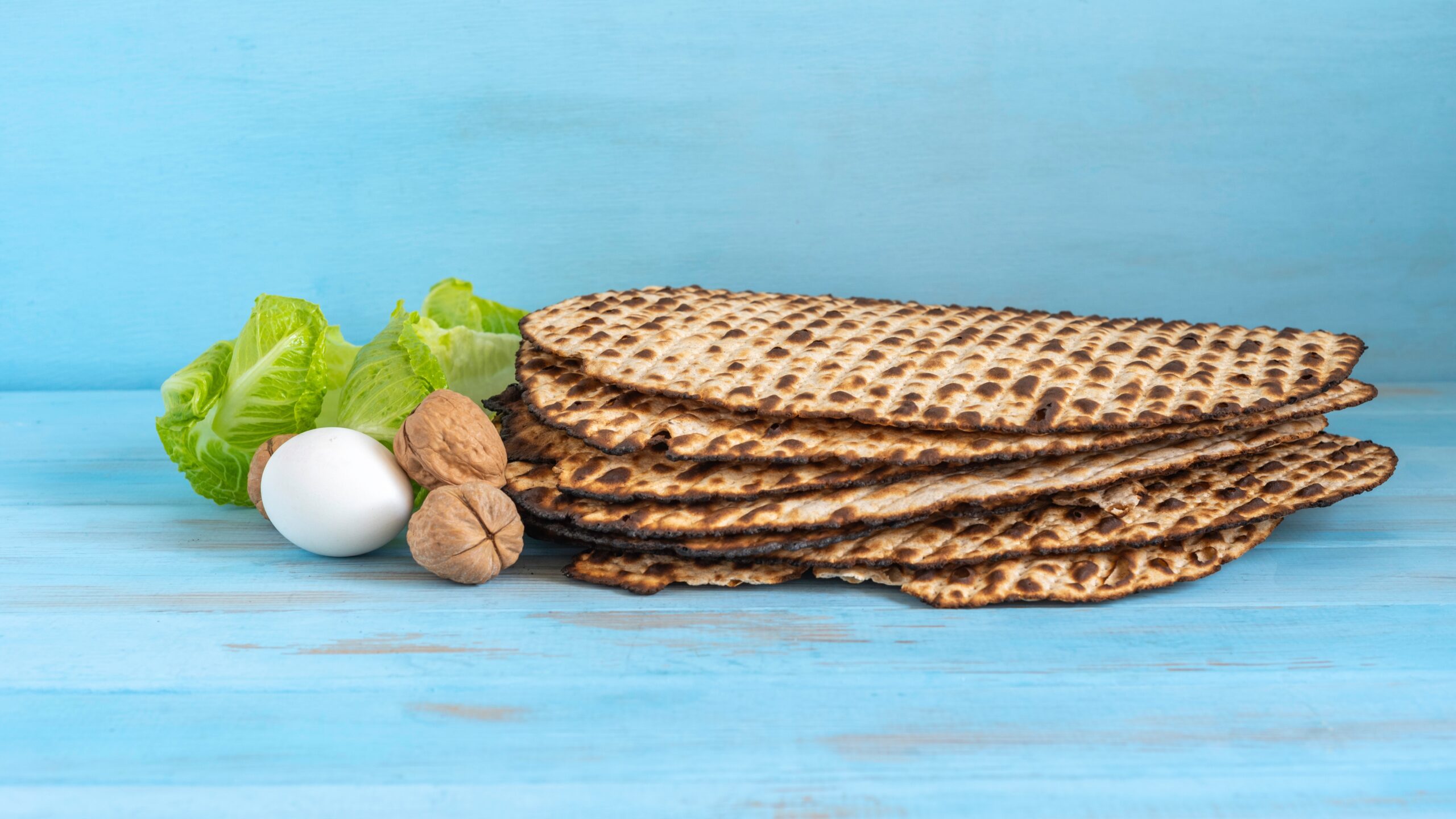
Matzo digests quickly and can spike blood sugar, leaving you feeling hungry soon after.
Relying too heavily on potatoes
While potatoes are fine in moderation, they often become the main carbohydrate, which can impact energy levels.
Not eating enough vegetables
Vegetable intake often drops significantly during Passover.
Overdoing processed Pesach snacks
Kosher for Passover doesn’t always mean healthy. Many packaged options are highly processed and low in nutrients.
What to Eat More Of
Focusing on nutrient-dense, lower-glycemic foods can make a noticeable difference in how you feel.
Vegetables (Your Priority)
Aim to include vegetables at every meal:
- Leafy greens like romaine and spinach
- Cucumbers, peppers, zucchini
- Roasted or sautéed vegetables
Protein
Protein helps stabilize blood sugar and keeps you full:
- Eggs
- Fish like salmon or tuna
- Chicken and lean meats
Healthy Fats
These support sustained energy and reduce cravings:
- Avocado
- Olive oil
- Nuts and seeds
Fruit (In Moderation)
- Berries are a great option
- Apples and pears work well too
Smart Swaps That Make a Big Difference
Instead of completely restricting yourself, focus on simple upgrades:
- Limit matzo to 1–2 pieces per day and pair it with protein or vegetables
- Combine potatoes with lower-carb vegetables like cauliflower or zucchini
- Choose baked or air-fried options instead of fried foods
- Replace sugary desserts with fruit, nuts, or dark chocolate
- Prioritize whole foods over processed snacks
How to Build a Balanced Passover Plate
A simple structure can keep meals satisfying and balanced:
- Half your plate: vegetables
- One quarter: protein
- One quarter: smart carbs (matzo or potatoes)
- Add healthy fats
This approach supports steady energy, better digestion, and fewer cravings.
Tips for Better Energy and Digestion
Stay hydrated
Matzo is very drying, so increasing your water intake is essential.
Keep moving
A short walk after meals can improve digestion and help regulate blood sugar.
Be mindful at night
Seder meals can be heavy. Eating slowly and tuning into fullness helps prevent discomfort.
Support digestion if needed
Some people find digestive enzymes, probiotics, or magnesium helpful during this time.
Final Takeaway
Passover doesn’t have to leave you feeling heavy or drained.
With a few intentional choices, it can be a time where you feel energized, balanced, and in control.
It all comes down to focusing on more vegetables, smarter carbohydrates, and well-balanced meals.