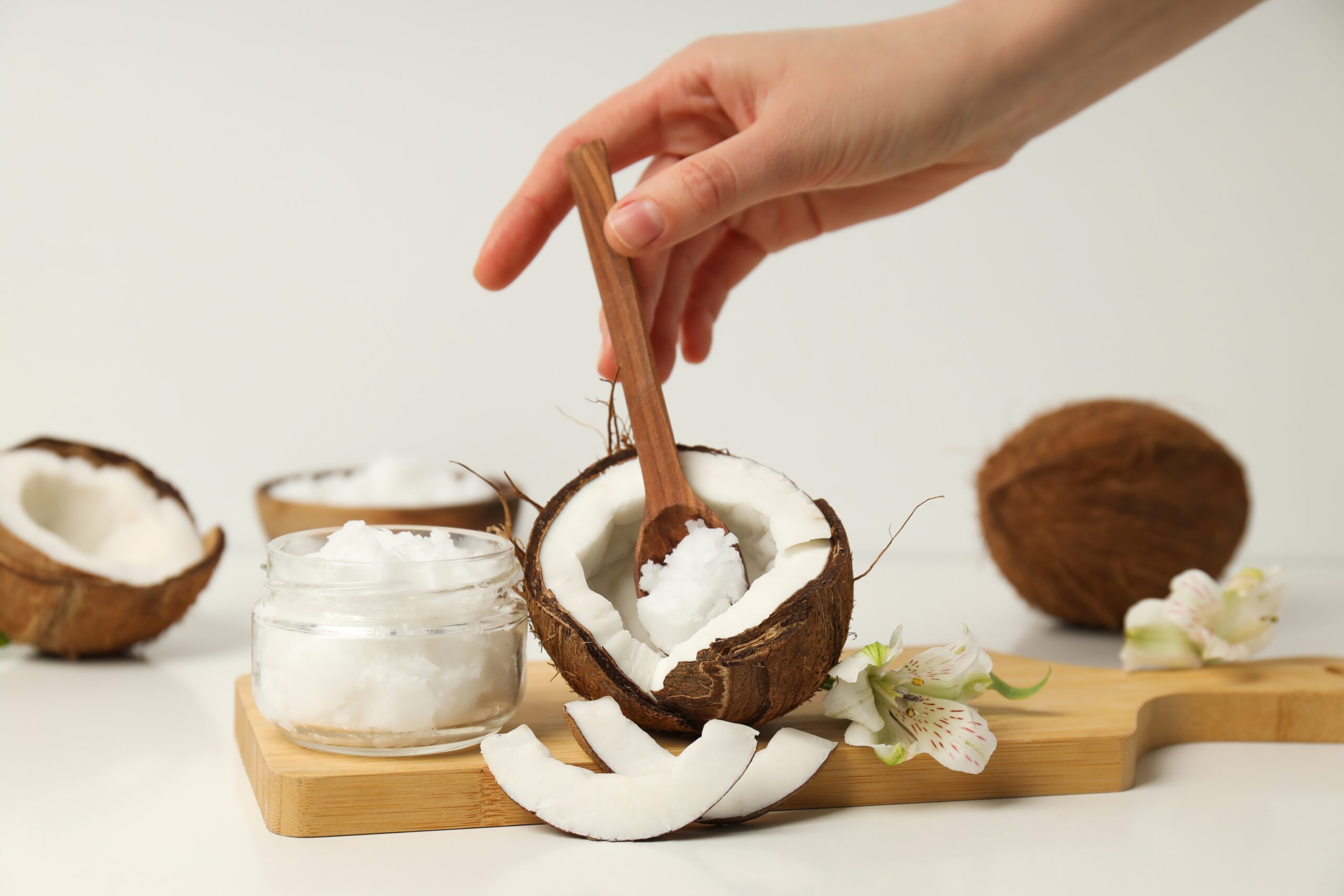
Concept,Of,Body,Care,With,Coconut,And,Coconut,Oil

Shea Butter vs. Coconut Oil vs. Cocoa Butter

A Practical Guide to Choosing the Right Natural Moisturizer

Natural, plant-based moisturizers are staples in clean skincare. But while shea butter, coconut oil, and cocoa butter are often grouped together, they behave very differently on the skin.

If you’re building a simple, ingredient-conscious routine, here’s how they compare — and which one may work best for you.


What Is Shea Butter?

Shea butter is extracted from the nuts of the African shea tree. It has a thick, creamy consistency that melts upon contact with skin.

Why People Choose Shea Butter

  • Deep, long-lasting moisture
  • Softens rough, dry areas
  • Suitable for sensitive skin
  • Mild natural scent

Shea butter is ideal for:

  • Heels, elbows, and knees
  • Winter dryness
  • Extra hydration after showers

 See our selection of pure shea butter here.


What Is Coconut Oil?

Coconut oil is derived from coconut meat and is widely used in both food and skincare.

Why People Choose Coconut Oil

  • Lightweight compared to butters
  • Spreads easily
  • Absorbs relatively quickly
  • Pleasant natural aroma

Best for:

  • Daily body moisturizing
  • Massage
  • Hair conditioning

Note: Coconut oil may feel heavy on acne-prone facial skin.

 See our selection of coconut oil here. 


What Is Cocoa Butter?

Cocoa butter is extracted from cocoa beans. It has a firm, waxy texture and a natural chocolate aroma.

Why People Choose Cocoa Butter

  • Creates a protective moisture barrier
  • Excellent for sealing in hydration
  • Very stable and long-lasting

Best for:

  • Very dry skin
  • Stretch-prone areas
  • Cold-weather skin protection

Because it absorbs slowly, cocoa butter works well as a finishing layer.


Quick Comparison Chart

FeatureShea ButterCoconut OilCocoa Butter
TextureThick & creamyLight & smoothFirm & dense
AbsorptionModerateFasterSlower
ScentMildCoconutChocolate
Best UseDeep hydrationEveryday moistureMoisture sealing
Hair UseYesYesLimited

Which One Is Best for You?

Choose Shea Butter if:

You need intensive moisture and skin softening.

Choose Coconut Oil if:

You want lighter daily hydration or hair conditioning.

Choose Cocoa Butter if:

You want to lock in moisture and protect skin in colder climates.

Some people combine them to customize texture and absorption.


A Note for Ingredient-Conscious Consumers

At KosherVitamins.com, many of our customers look for:

  • Simple ingredient lists
  • Clean processing methods
  • Minimal additives
  • Plant-based personal care

While these products are cosmetic and not ingestible supplements, ingredient transparency still matters.


Final Thoughts

Shea butter, coconut oil, and cocoa butter each serve different purposes in skincare. Understanding texture, absorption rate, and intended use will help you select the right one for your routine.

If you’re looking for deep hydration with minimal ingredients, shea butter is often the most versatile starting point.

 Explore our natural skincare collection here.


Cosmetic Disclaimer

This article is for informational purposes only. These products are cosmetic in nature and are not intended to diagnose, treat, cure, or prevent any disease.

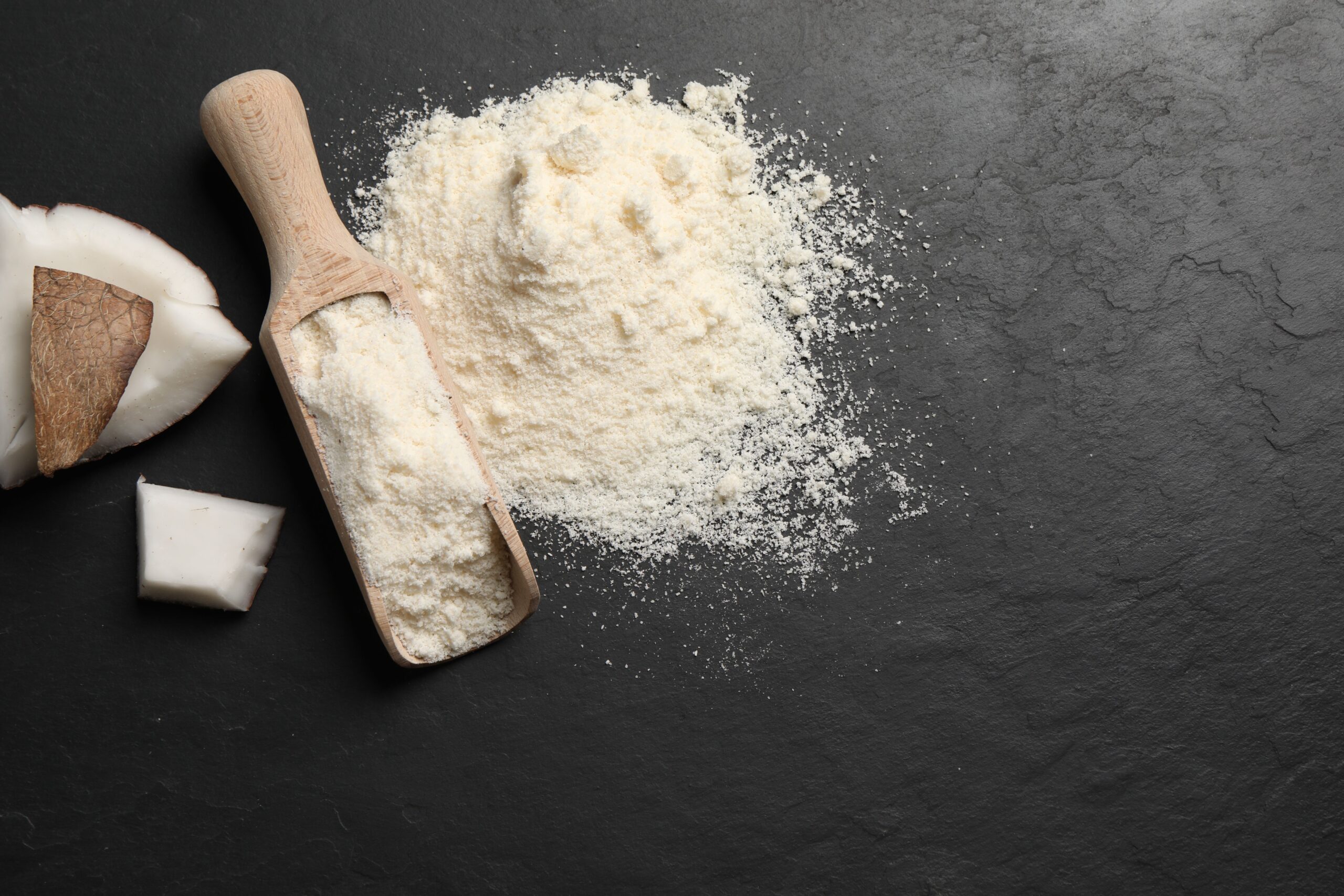
Organic,Coconut,Flour,And,Fresh,Fruits,On,Black,Table,,Flat

The Best Flours for Passover Cooking and Baking


Passover presents a unique challenge for baking and cooking, as traditional leavened flours are off-limits. However, a variety of kosher-for-Passover flour alternatives can be used to create delicious baked goods and meals while adhering to dietary laws. Below is a guide to the best Passover-friendly flours and how they can be incorporated into your recipes.

1. Matzah Meal

      • Matzah Meal is made from ground matzah and has a coarse texture, making it ideal for recipes like matzah balls, kugels, and breading for fried foods.

    Shop Matzah Meal Here:

    2. Almond Flours

    Nut flours, especially almond flour, have gained popularity as an excellent Passover baking ingredient. Almond flour adds moisture and a rich, nutty flavor to cakes, cookies, and even crusts for pies.

    Shop Almond Flour Here

    3. Coconut Flour

    Coconut flour is another grain-free, kosher-for-Passover alternative that enhances texture and flavor. Since coconut flour absorbs more moisture than traditional flour, it requires additional eggs or liquids to balance the recipe.

    Shop Coconut Flour Here

    4. Cassava Flour

    Cassava flour, derived from the cassava root, is a versatile gluten-free alternative. It works well in both sweet and savory dishes, making it a fantastic addition to any Passover kitchen.

    Shop Cassava Flour Here

    5. Quinoa Flour

    Quinoa flour is a protein-rich, gluten-free alternative that works well for baking and thickening sauces. It has a mild, slightly nutty flavor, making it a great choice for both sweet and savory recipes.

    Shop Quinoa Flour Here:

    6. Specialty Kosher-for-Passover Flour Blends

    For those looking for a ready-to-use flour alternative, specialty blends such as Rorie’s Grain-Free Flour Blend are formulated to mimic all-purpose flour while remaining kosher for Passover. These blends are free from gluten, sugar, potato, and tapioca starch, making them a great option for health-conscious individuals.

    Shop Specialty Passover Flour Blends Here:

    Tips for Successful Passover Baking

        • Always check that the flour you choose is certified kosher for Passover to ensure it meets dietary guidelines.

        • Different flours have unique properties; for example, coconut flour absorbs more liquid than other flours, so adjustments may be necessary.

        • Experiment with combinations of different flours to achieve the desired taste and texture.

      By selecting the right Passover flour alternative, you can continue enjoying delicious baked goods and home-cooked meals throughout the holiday. Browse our collection of Kosher-for-Passover baking essentials to stock up on all your Passover cooking needs!

      Shop Kosher for Passover Baking Essentials Here

      Nutritious Honey Cookies: Try this really simple 3 step recipe!

      With all the yummy Yom Tov food just around the corner, starting the new year with a healthier nutritious honey cookie is a step in the right direction. After weeks of researching and searching, we have come up with the perfect recipe that tastes good and is good for you as well!

      This recipe is super simple, with only three easy steps!

      Enjoy, we know you will!

      Makes about 36 Cookies

      Ingredients:
      1 cup raw honey
      1/3 cup virgin coconut oil
      2 eggs
      1 cup unsweetened almond milk
      4 cups oat flour
      2 teaspoons baking powder
      1/2 teaspoon baking soda
      1 teaspoon cinnamon
      (optional ½ teaspoon vanilla extract)

      Instructions:

      1. Preheat oven to 375 F
      2. Combine all wet ingredients together
      3. In a separate bowl sift together all the dry ingredients
      4. Mix both wet and dry ingredients together
      5. Bake in preheated oven on a greased baking sheet for about 12 minutes (or until golden brown underneath cookie)
      6. Allow to cool before serving