![310590701_421166140142246_8338605735780738422_n [Converted]](https://koshervitaminsblog.com/wp-content/uploads/2023/05/310590701_421166140142246_8338605735780738422_n-Converted.png)
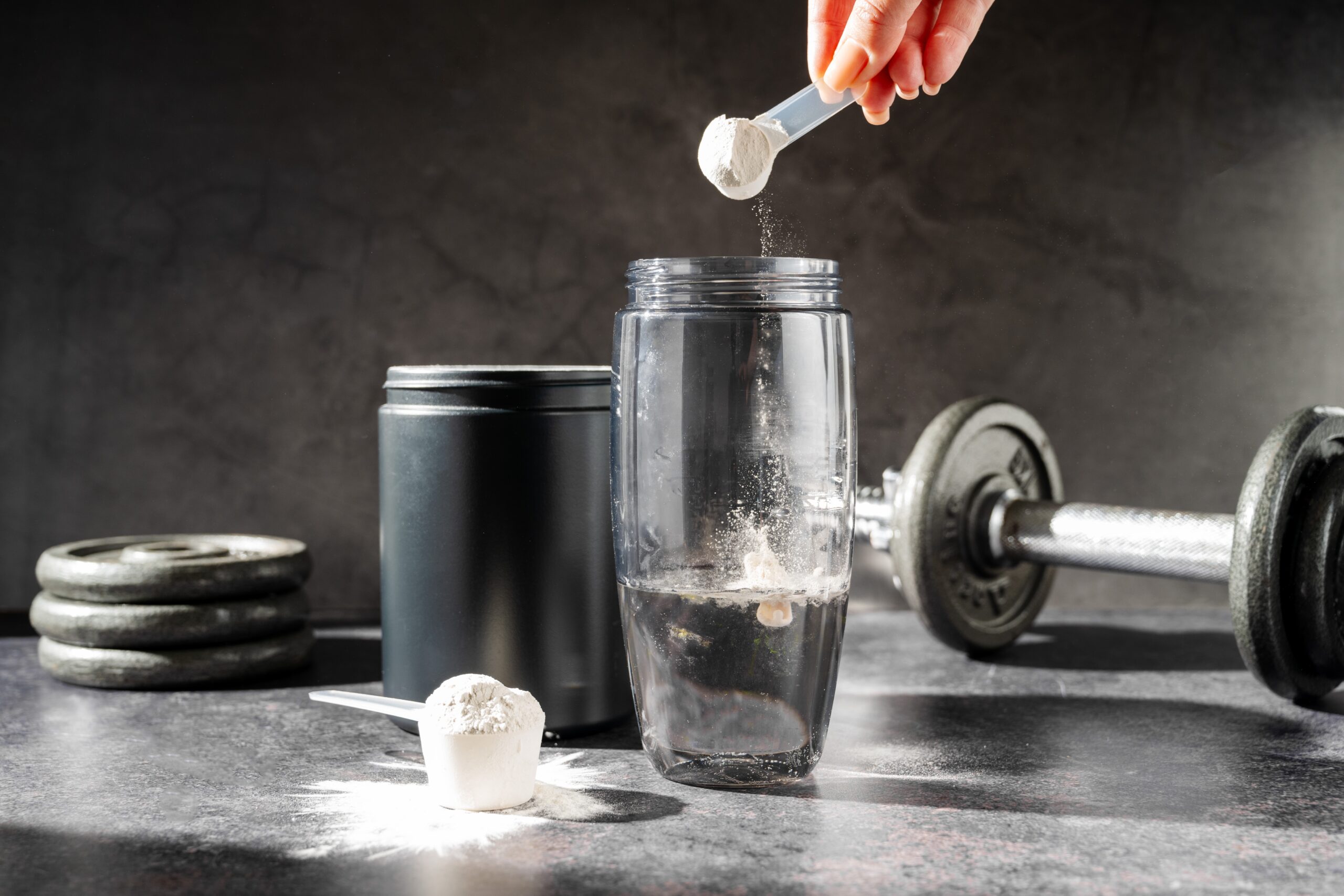
Creatine has been around for decades — but recently it’s getting attention far beyond the bodybuilding world.
Adults over 30.
Busy professionals.
Weekend gym-goers.
Even adults focused on healthy aging.
If you’re new to creatine, you probably have questions:
Is it safe?
Does it actually work?
Is it kosher?
Do I need a complicated protocol?
Let’s walk through it clearly and confidently.
1. Quick Overview: What You Should Know
- Creatine monohydrate is the most researched form.
- It supports strength and high-intensity performance.
- It is synthetically manufactured — not animal-extracted.
- It has a strong safety profile in healthy adults.
- Simplicity and consistency matter more than hype.
2. What Is Creatine?
Creatine is a naturally occurring compound made from three amino acids:
- Arginine
- Glycine
- Methionine
Your body produces some on its own. It’s also found naturally in meat and fish.
Inside your muscles, creatine helps regenerate ATP — your body’s short-burst energy source.
In practical terms:
It helps you perform better during strength training and high-intensity efforts.
It is not:
- A steroid
- A hormone
- A stimulant
It’s simply energy support at the cellular level.
3. Where Does Supplemental Creatine Come From?
Even though creatine exists naturally in meat, commercial creatine supplements are not extracted from animals.
Modern creatine monohydrate is produced synthetically through controlled manufacturing processes.
That means:
- It is not meat-derived.
- It is not animal tissue.
- It is a purified compound created in regulated facilities.
This distinction is important for kosher consumers.
4. Kosher Considerations: What Matters
Because creatine is synthetically produced, the base ingredient itself is not inherently meat.
However, kosher certification remains important due to:
- Manufacturing equipment
- Shared facilities
- Additives in flavored versions
- Capsule materials (gelatin vs. vegetarian capsules)
Plain, unflavored creatine powder is typically the simplest from a kosher standpoint.
Reliable certification ensures the full production chain is supervised properly.
5. Why Beginners Use Creatine
Creatine is widely used to support:
- Increased strength
- Improved workout performance
- Better training capacity
- Lean muscle development
- Recovery between sets
Small improvements — like one extra rep — compound over time.
There is also emerging research on creatine’s role in muscle preservation as we age.
6. Is Creatine Safe?
Creatine monohydrate is one of the most studied dietary supplements available.
Research in healthy adults using recommended doses has not shown harmful effects on kidney or liver function.
Who should consult a healthcare provider first:
- Individuals with kidney disease
- Those on medications affecting kidney function
- Pregnant or nursing women
- Individuals under 18
For healthy adults, 3–5 grams daily is commonly used.
7. How to Take Creatine for the First Time
Keep it simple:
3–5 grams per day
- Take it daily (including rest days).
- Mix with water or another beverage.
- Stay properly hydrated.
Creatine works by saturating muscle stores over time — not by giving an immediate “boost.”
8. Loading vs. Daily Use
Some people use a “loading phase”:
- 20 grams daily (split doses) for 5–7 days
- Then 3–5 grams daily
Loading may speed up muscle saturation.
However, it is not necessary.
Taking 3–5 grams daily from the start will achieve similar results over time.
Consistency is more important than loading.
9. Common Beginner Mistakes
- Skipping days
- Not drinking enough fluids
- Expecting immediate transformation
- Buying proprietary blends instead of pure monohydrate
- Misinterpreting mild water retention as fat gain
A small increase on the scale is usually due to water inside muscle cells — not fat.
10. What Results Should You Expect?
Week 1–2
Possible mild increase in weight due to water retention in muscle.
Week 3–4
Improved strength and workout output may become noticeable.
6–8 Weeks
Improved training capacity and lean muscle development when combined with resistance training.
Creatine enhances effort.
Effort drives results.
11. Choosing the Right Creatine Product
For most beginners:
- Creatine monohydrate
- Unflavored powder
- Reliable kosher certification
- Simple ingredient list
There is no strong evidence that more complex forms outperform standard monohydrate.
12. Important FDA Disclaimer
These statements have not been evaluated by the Food and Drug Administration. This product is not intended to diagnose, treat, cure, or prevent any disease.
Always consult your healthcare provider before beginning any dietary supplement.